Driver’s License Requirements for Popular Destinations
Ever dreamt of cruising the Amalfi Coast, navigating the Outback, or exploring the Scottish Highlands behind the wheel? The freedom of a road trip in a foreign land is incredibly appealing, but before you pack your bags, let’s make sure your license is ready for the journey.
Understanding the specific driver’s license requirements for your chosen destination is more than just ticking a box; it's about ensuring your safety, respecting local laws, and avoiding potentially costly fines or legal complications. No one wants a dream vacation derailed by a simple oversight regarding driving documentation.
Before diving into specific countries, take a moment to check the expiration date on your current driver's license. You might be surprised how close it is to expiring! Ensuring it's valid for the entire duration of your trip is a quick task that can save you major headaches later.
Decoding Driver’s License Requirements Around the World
Navigating the maze of international driving regulations can feel daunting. The good news is that with a little preparation, you can confidently hit the road, knowing you’ve met all the necessary legal requirements. Here's a breakdown of what you need to consider: Your Valid Domestic Driver’s License:This is the foundation. Most countries will require you to have a valid driver's license from your country of residence. Ensure it's current and hasn't expired.
The International Driving Permit (IDP): Think of the IDP as a translation of your driver's license. It's a standardized document that includes your name, photo, and driving information in multiple languages. It’s designed to help authorities understand your driving credentials, regardless of language barriers. An international driving permit is often required or strongly recommended in many countries, especially where English isn't widely spoken or the alphabet differs from the Latin alphabet.
Visa Requirements: While not directly related to your driver's license, your visa status can impact your ability to drive legally. Some countries may require a local driver's license if you're staying for an extended period, even if you have an IDP. Check the specific visa regulations for your destination.
Age Restrictions: Many countries have minimum and maximum age limits for driving. These may differ from your home country, so research the specific rules before planning your trip.
Car Rental Company Policies: Even if you meet the legal requirements, individual car rental companies might have their own policies regarding licenses and IDPs. Always confirm their specific requirements before booking your rental vehicle. This is an important consideration when formulating your car rental tips abroad.
Popular Destinations and Their Driving Rules
Let's explore some popular travel destinations and their specific driver's license requirements:Europe:
France: A valid U.S. driver's license is generally accepted for short-term tourist stays (up to 90 days). However, an IDP is strongly recommended and may be required by some car rental agencies. If staying longer, you may need to exchange your license for a French one. Be aware of France's strict traffic rules, including speed limits and priority regulations.
Italy: Similar to France, Italy generally accepts a valid U.S. driver's license for tourist stays. An IDP is highly recommended, and some car rental companies might insist on it. Driving in historic city centers (Zona Traffico Limitato or ZTL) requires specific permits and can result in hefty fines if you're caught without one.
Spain: A valid U.S. driver's license is accepted for short-term tourist stays (up to six months). An IDP is recommended, particularly if your license doesn't include a photo. For stays longer than six months, you’ll typically need to obtain a Spanish driver's license.
Germany: You can use your U.S. driver's license for up to six months after entering Germany. After that, you'll need to apply for a German driver's license. An IDP is helpful but not always mandatory. Germany has specific rules regarding Autobahn driving, so familiarize yourself with those before hitting the open road.
Australia
A valid U.S. driver's license is generally accepted for tourist stays. However, you must also carry an English translation of your license if it's not in English. An IDP fulfills this requirement. Remember that Australians drive on the left side of the road! Familiarize yourself with local road signs and traffic patterns.
Canada
Your valid U.S. driver's license is generally accepted across Canada for tourism. No IDP is required. However, ensure your vehicle insurance covers you while driving in Canada. Cross-border travel is common, but it’s crucial to understand the specific insurance requirements.
Japan
Japan has very specific rules. You can't use a U.S. driver's license directly. You’ll need an IDP based on the 1949 Geneva Convention, which the U.S. is a signatory to. Even with an IDP, you can only drive for up to one year from your date of entry into Japan. Be prepared for driving on the left side of the road, and be mindful of local driving etiquette.
Understanding the International Driving Permit
The International Driving Permit (IDP) is a crucial document for many international drivers. It's essentially a multi-language translation of your existing driver’s license.
Here's what you need to know: How to Obtain an IDP:In the United States, IDPs are issued by only two organizations authorized by the U.S. Department of State: AAA (American Automobile Association) and the National Auto Club. You can apply in person or by mail. You'll typically need a valid U.S. driver's license, passport photos, and an application fee.
Validity Period: IDPs are typically valid for one year from the date of issue.
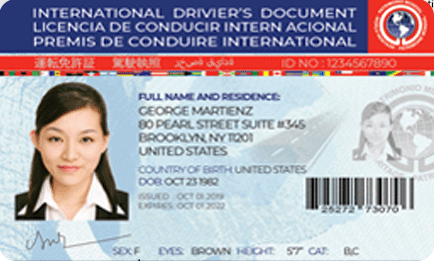
IDP vs. International Driver’s License: Be wary of websites selling "International Driver’s Licenses." These are often scams and are not legally recognized. Only obtain an IDP from AAA or the National Auto Club in the US.
Always Carry Both: Remember, the IDP is a supplement to your domestic driver's license,nota replacement. Always carry both documents with you when driving abroad.
Do I need an international driving permit?
Whether youneedan IDP depends on the specific country you're visiting. While some countries accept your U.S. driver's license outright for short tourist stays, others require an IDP. Even if it's not strictly mandatory, having an IDP can be incredibly helpful, especially if you encounter law enforcement or need to deal with a car accident. It removes any language barriers and provides clear documentation of your driving privileges.
What documents should I carry when driving abroad?
When driving in a foreign country, make sure you have the following documents readily available:
Your valid domestic driver's license.
Your International Driving Permit (if required or recommended).
Your passport and visa (if required).
Vehicle registration documents (if you're driving your own car).
Car rental agreement (if renting a car).
Proof of insurance.
Emergency contact information.
How do police handle tourists on the road?
Encountering law enforcement in a foreign country can be stressful. However, remaining calm, respectful, and cooperative is crucial. Ensure you can quickly produce all the necessary documents. If there’s a language barrier, an IDP can be invaluable in clarifying your driving credentials. Understand that foreign traffic rules may differ significantly from your home country. Ignorance is not an excuse, so familiarize yourself with local laws beforehand. Global road safety depends on everyone doing their part to learn about their destinations!
Essential Tips for Stress-Free Driving Overseas
Beyond licenses and permits, consider these additional tips for a smoother driving experience: Research Local Traffic Laws:Take the time to understand the specific traffic laws of the country you're visiting. This includes speed limits, right-of-way rules, parking regulations, and laws regarding alcohol consumption. Foreign traffic rules can be vastly different, so prepare ahead of time!
Understand Local Customs: Beyond the formal laws, observe local driving habits and customs. This can help you anticipate other drivers' behavior and avoid potential conflicts.
Plan Your Route: Use a reliable GPS navigation system or map to plan your route in advance. Be aware of potential road closures, construction zones, or traffic congestion.
Purchase Adequate Insurance: Ensure your car rental includes comprehensive insurance coverage. Consider purchasing additional travel insurance that covers potential accidents or medical emergencies.
Learn Basic Phrases: Knowing a few basic phrases in the local language can be incredibly helpful when asking for directions or dealing with minor issues.
Be Aware of Road Conditions: Road conditions can vary significantly from country to country. Be prepared for unpaved roads, narrow lanes, or challenging terrain.
Respect Local Culture: Be mindful of local customs and sensitivities when driving. Avoid honking unnecessarily, driving aggressively, or engaging in other behaviors that could be considered disrespectful.
Armed with the right information and a spirit of adventure, you can confidently navigate the roads of the world. Remember to double-check the specific requirements for your destination, obtain an IDP if necessary, and familiarize yourself with local traffic laws. Most importantly, drive safely, respect the local culture, and enjoy the incredible freedom of exploring a new country from behind the wheel. Your journey awaits!
Posting Komentar untuk "Driver’s License Requirements for Popular Destinations"