Seatbelt Regulations Across Different Nations
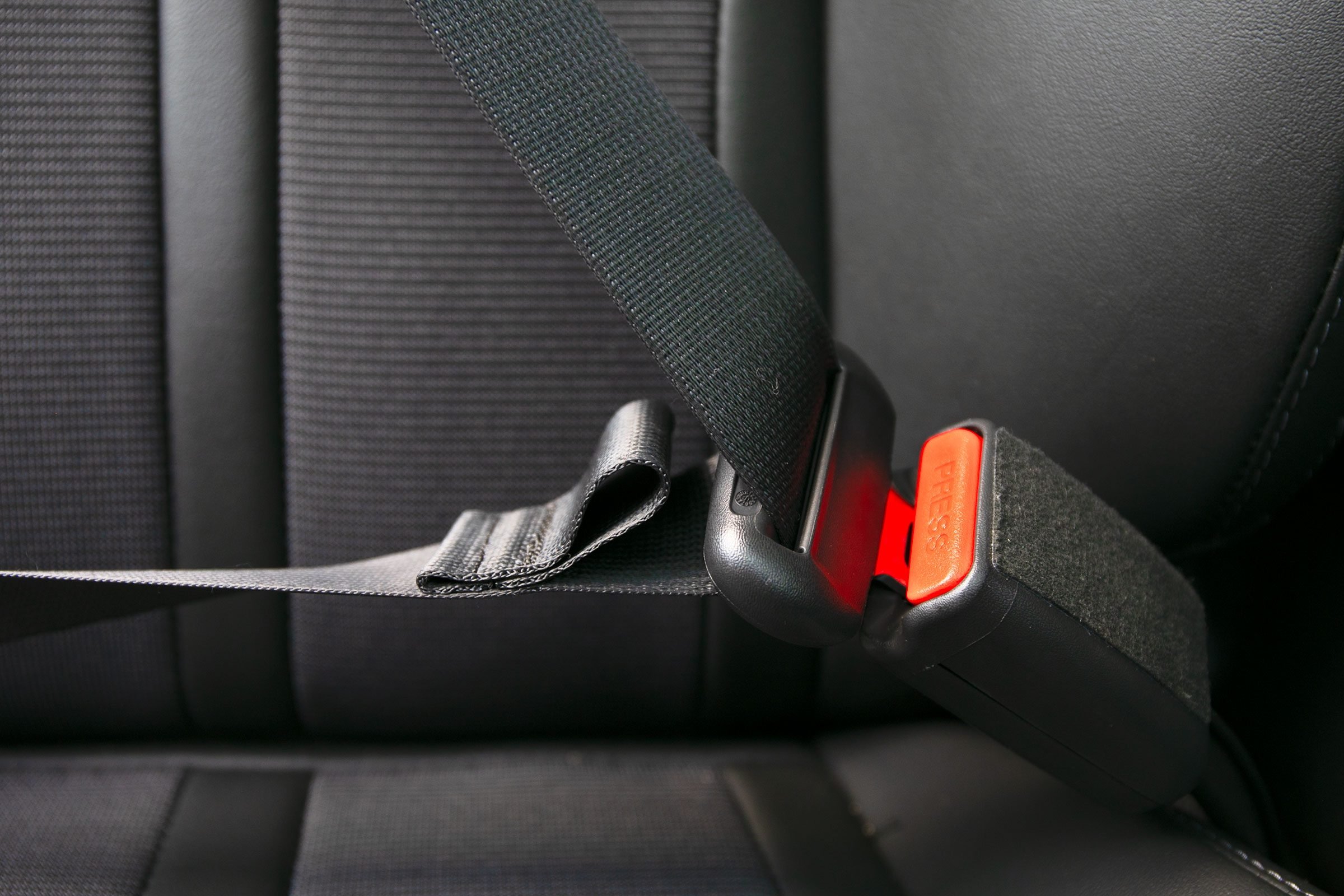
That open road is calling, but are you sure you know the rules? Driving in a foreign country is an incredible adventure, but navigating unfamiliar traffic laws can quickly turn that dream into a headache. One of the most crucial, and often overlooked, aspects is seatbelt usage. Don't let a simple click become a costly mistake.
Understanding seatbelt regulations across different nations isn't just about avoiding fines; it’s about your safety and the safety of your passengers. It's also about showing respect for the laws of the country you're visiting, contributing to global road safety, and ensuring a smoother, more enjoyable experience with local authorities. Nobody wants their vacation overshadowed by a legal entanglement!
Before you even pack your bags, take a moment to check the specific seatbelt laws of each country on your itinerary. A quick search online or a visit to the embassy website can provide invaluable information and set your mind at ease.
Global Seatbelt Laws: Buckle Up for Clarity
Seatbelt laws are surprisingly diverse around the world. While most developed nations enforce mandatory seatbelt use for front-seat occupants, the specifics regarding rear-seat passengers, age restrictions, and exemptions can vary significantly. This is critical information, especially when traveling with family.
In many European countries, like Germany, France, and Spain, seatbelt use is mandatory for all occupants of a vehicle, regardless of their seating position. Failure to comply can result in hefty fines. The enforcement is often strict, and authorities have little tolerance for ignorance of the law. These countries generally align with higher global road safety standards.
Moving across the Atlantic, the United States has a patchwork of state laws. While most states require front-seat occupants to buckle up, rear-seat requirements vary. It’s essential to know the law in the specific state you’re driving through, especially if you’re planning a cross-country road trip. Canada, similarly, has provincial variations in seatbelt regulations.
In other parts of the world, the rules may be less stringent or less consistently enforced. Some countries in Africa and Asia might have seatbelt laws on the books, but compliance levels can be lower, and enforcement sporadic. However, don’t let the apparent lack of enforcement lull you into a false sense of security. As a visitor, you are still expected to adhere to the local laws, and it’s always best to err on the side of caution for your own safety.
Even within the same region, surprising differences can exist. For instance, some countries have specific regulations for pregnant women, children of different ages and sizes, or drivers of commercial vehicles. These nuances highlight the importance of doing your researchbeforeyou get behind the wheel. A little preparation can save you a lot of trouble, and potentially, save lives.
Navigating Child Restraint Systems Abroad
One of the most challenging aspects of international driving is understanding the rules surrounding child restraint systems. Age and weight-based regulations for car seats and booster seats vary dramatically from country to country. What's considered legal and safe in your home country may be illegal or unsafe elsewhere.
Many European nations adhere to the ECE R44/04 or the newer R129 (i-Size) standards for child car seats. These standards dictate specific weight and height requirements for different types of seats. When renting a car, be sure to specify your child's age, weight, and height so that the rental company can provide an appropriate and compliant car seat. Always double-check that the seat is properly installed before setting off on your journey.
In the United States, child seat regulations are governed by federal and state laws, which also consider age, weight, and height. However, the specifics can differ slightly from state to state.
Regardless of where you are, it’s always a good idea to bring your own car seat if possible, especially if you have a specific model that you trust and are familiar with. This ensures that your child is in a safe and comfortable seat that meets the necessary standards. If you do bring your own seat, make sure it is approved for use in the country you're visiting – some seats approved in North America may not meet European standards, and vice versa.
Always prioritize your child’s safety by using a properly installed and compliant car seat. Never compromise on this, even if local practices seem more relaxed.
Do I need an international driving permit?
While not directly related to seatbelts, carrying the correct documentation is part of responsible cross-border travel. An international driving permit (IDP) is often required when driving in countries where your domestic driver's license is not sufficient. It's essentially a translation of your license into multiple languages and can be helpful when dealing with foreign authorities. Check the specific requirements of the countries you plan to visit. Some countries accept a valid US, UK, or EU license, but others require an IDP, especially for longer stays or car rental purposes. Having an IDP can also simplify the car rental process.
What documents should I carry when driving abroad?
Besides your driver's license (and IDP if required), ensure you have your passport, car rental agreement (if applicable), and proof of insurance. It's also wise to carry a copy of your travel itinerary and emergency contact information. Keep these documents readily accessible, but secure, in case you need to present them to authorities. Some countries may also require you to carry a vehicle registration document. Familiarize yourself with the specific document requirements of each country on your itinerary.
How do police handle tourists on the road?
The treatment of tourists by law enforcement varies widely. In some countries, police officers are understanding and helpful to tourists who make minor mistakes. In others, they may be stricter and less forgiving. It’s always best to be polite, respectful, and cooperative when interacting with law enforcement officials. If you are stopped for a traffic violation, remain calm, present your documents when asked, and avoid arguing or becoming defensive. If you don't understand the language, politely ask for an interpreter or someone who can translate. Remember that ignorance of the law is not usually considered a valid excuse.
Practical Car Rental Tips Abroad
Renting a car is a common way to explore a new country, but it also comes with its own set of considerations. When booking your car rental, be sure to: Choose a reputable company: Look for well-known international brands or local companies with positive reviews. Understand the insurance coverage: Make sure you have adequate insurance coverage, including liability, collision damage waiver, and theft protection. Check if your existing car insurance or credit card offers coverage abroad. Inspect the car carefully: Before driving off the lot, thoroughly inspect the car for any existing damage and document it with photos or videos. Familiarize yourself with local driving habits: Observe how local drivers behave on the road and adjust your driving accordingly. Understand the fuel policy:Know whether you need to return the car with a full tank of gas and what the penalties are for failing to do so.
Furthermore, before signing the rental agreement, specifically ask about the car's compliance with local seatbelt laws. Inquire if child seats are available and properly certified. The rental company should be able to provide guidance on local regulations and ensure that the vehicle is equipped to meet them. Don't hesitate to ask questions; it's better to be informed than to face unexpected fines or safety risks.
Staying Safe and Informed: A Final Check
Driving in a foreign country presents unique challenges, but also incredible opportunities for adventure. By taking the time to research and understand local traffic rules, particularly seatbelt regulations, you can ensure a safer and more enjoyable trip. Remember to prioritize safety, respect local laws, and drive defensively. Keep your documents organized, be prepared for interactions with law enforcement, and double-check everything. Safe travels and enjoy the ride—responsibly!
Posting Komentar untuk "Seatbelt Regulations Across Different Nations"