Driving Customs Around the World Explained
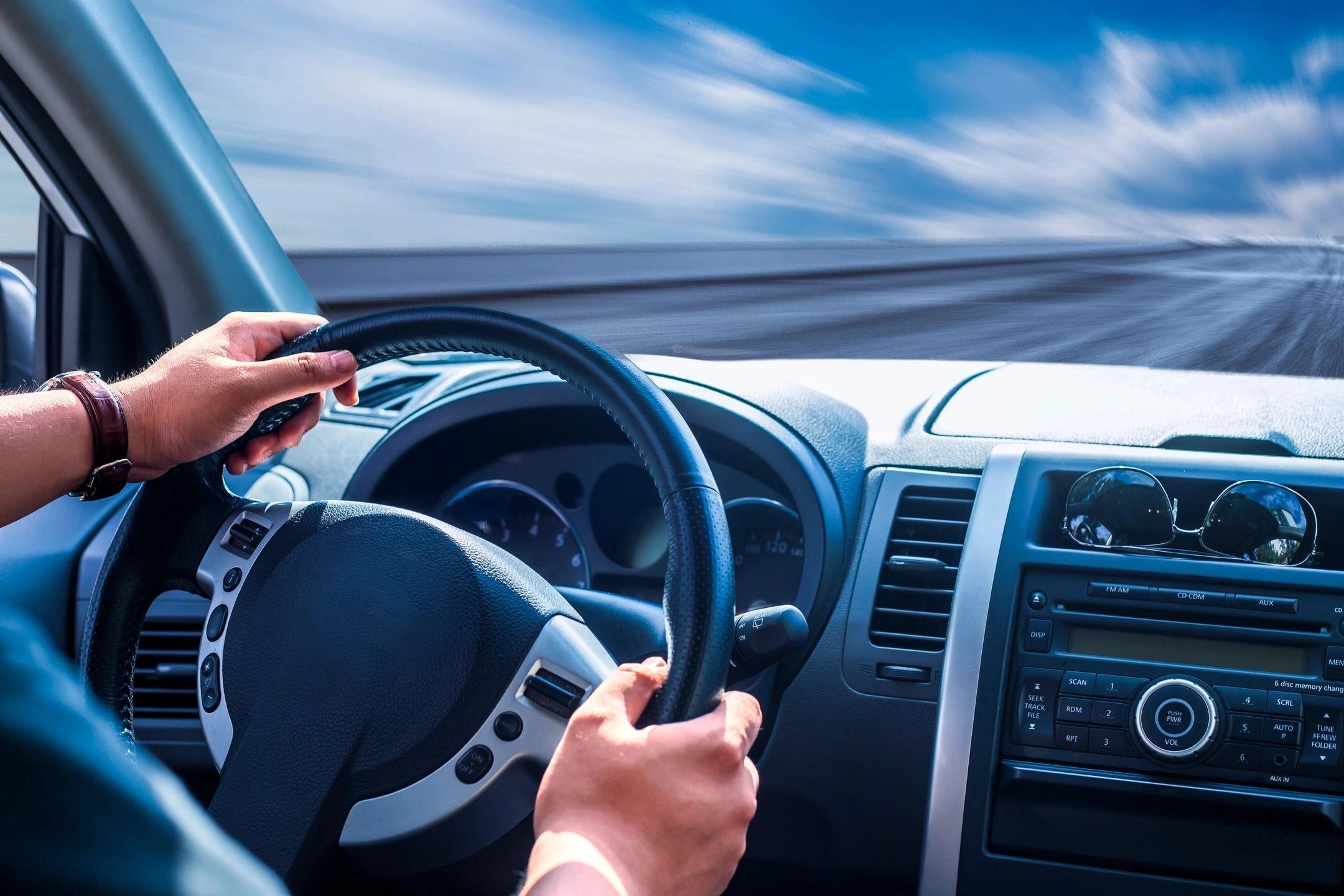
Driving in a foreign country can be exhilarating, offering a unique perspective on its landscapes and culture. But it can also feel daunting, especially when you're unsure of local customs and regulations. Navigating unfamiliar roads, understanding different traffic laws, and knowing what's expected of you as a driver are essential for a positive and safe experience.
Understanding global driving laws isn't just about avoiding fines or getting pulled over. It’s about ensuring your safety, the safety of your passengers, and the safety of other road users. It's also about showing respect for local customs and traditions. By familiarizing yourself with these regulations, you can avoid misunderstandings, prevent accidents, and truly enjoy the freedom that comes with exploring a new country by car.
Before you even pick up your rental car, take a few minutes to research the basic road rules of your destination. Websites like the World Health Organization and local government transportation sites often offer comprehensive guides in multiple languages. A little preparation can make a big difference!
Decoding Driving Customs Around the Globe
Driving customs aren't just laws written in traffic codes; they are also unwritten rules and expectations shaped by local culture. From yielding practices to parking etiquette, these nuances can significantly impact your driving experience abroad. We'll delve into crucial aspects that every international driver should understand.
Essential Documents for Your Journey
Before embarking on your cross-border travel adventure, it’s paramount to ensure you have all the necessary documents. Neglecting this aspect can lead to unnecessary delays, fines, or even the impoundment of your vehicle.
Driver's License: Your valid domestic driver's license is the foundation. Ensure it’s current and hasn’t expired.
International Driving Permit (IDP): An IDP is essentially a translation of your driver's license into multiple languages. While not always mandatory, it’s highly recommended and required in many countries. It helps local authorities understand your driving credentials, particularly if your license isn't in their language. Get one from your home country’s authorized issuing agency before you travel.
Vehicle Registration and Insurance: If you're driving your own vehicle across borders, carry the original registration documents. For rental cars, the rental agreement usually suffices. Proof of insurance is absolutely essential. Ensure your policy provides adequate coverage in the countries you plan to visit. In some regions, you might need a "Green Card" – an international certificate of insurance.
Passport: This is your primary form of identification abroad. Keep it readily accessible but secure.
Navigating Foreign Traffic Rules
Understanding foreign traffic rules is arguably the most critical aspect of driving abroad. These rules vary significantly from country to country, and ignorance is never an excuse.
Right vs. Left-Hand Traffic: This is the most fundamental difference. In some countries (like the UK, Australia, and Japan), you drive on the left side of the road. This means the steering wheel will be on the right side of the car, and you'll need to adjust your reflexes accordingly. Take extra care at roundabouts, junctions, and when overtaking.
Speed Limits: Speed limits are usually posted in kilometers per hour (km/h) in countries using the metric system. Familiarize yourself with the standard speed limits for different types of roads (e.g., highways, urban areas, rural roads). Speed cameras are prevalent in many regions, so be vigilant.
Right-of-Way Rules: Right-of-way rules determine who has priority at intersections and junctions. These can differ significantly from what you're used to. In some European countries, for example, vehicles coming from the right often have priority, even if you're on a major road. Always yield to pedestrians and cyclists.
Traffic Signs: Traffic signs can vary significantly in design and meaning from country to country. Learn to recognize common international traffic signs, such as those for speed limits, warnings, and prohibitions. A quick online search for “international traffic signs” can be invaluable.
Use of Headlights: Many countries require drivers to use headlights at all times, even during daylight hours. Check the specific regulations for your destination.
Mobile Phone Use: Restrictions on mobile phone use while driving are becoming increasingly stringent worldwide. In most places, handheld phone use is illegal. Use a hands-free device or pull over to make or receive calls.
Car Rental Tips Abroad
Renting a car abroad can be a convenient way to explore a country, but it's essential to be prepared.
Book in Advance: Booking your rental car in advance, especially during peak season, can secure better rates and ensure availability.
Choose the Right Vehicle: Consider the type of terrain you'll be driving on and the number of passengers and luggage you'll be carrying. A smaller, more fuel-efficient car may be suitable for city driving, while an SUV might be better for exploring rural areas.
Inspect the Vehicle: Before driving off the rental lot, thoroughly inspect the vehicle for any existing damage. Document any scratches, dents, or other issues and report them to the rental company to avoid being held liable later.
Understand the Insurance Coverage: Carefully review the insurance coverage included in your rental agreement. Consider purchasing additional coverage if necessary to protect yourself against potential liabilities.
Familiarize Yourself with the Car's Features: Before hitting the road, take the time to familiarize yourself with the car's features, such as the headlights, windshield wipers, and navigation system. If the car uses a different fuel type than you're used to, make a note of it to avoid putting the wrong fuel in the tank.
Global Road Safety
Global road safety encompasses both individual responsibility and systemic factors influencing accidents and fatalities. As a visitor, you contribute to road safety through your behavior and awareness.
Driving Under the Influence: Driving under the influence of alcohol or drugs is strictly prohibited in most countries. Penalties can be severe, including fines, imprisonment, and revocation of your driver's license.
Seatbelt Laws: Seatbelt laws are in place to protect drivers and passengers in the event of a collision. Make sure everyone in the vehicle is wearing a seatbelt at all times.
Child Restraints: Child restraint laws require children to be properly secured in appropriate car seats or booster seats. Check the specific regulations for your destination.
Defensive Driving: Practice defensive driving techniques to anticipate potential hazards and avoid accidents. Be aware of your surroundings, maintain a safe following distance, and avoid distractions.
Frequently Asked Questions About Driving Abroad
Do I need an international driving permit?
An International Driving Permit (IDP) is highly recommended and sometimes required, especially if your domestic license is not in the language of the country you are visiting. It serves as a translation of your license and simplifies interactions with local authorities. It's best to check the specific requirements of your destination country before you travel. You can typically obtain an IDP from your home country's automobile association or a similar authorized organization. Keep in mind that an IDP is only valid when accompanied by your original driver’s license.
What documents should I carry when driving abroad?
Always carry your valid driver's license, International Driving Permit (if required or recommended), vehicle registration documents (if driving your own car), proof of insurance, and your passport. It's also a good idea to have a copy of your rental agreement if you're renting a car. Keep these documents readily accessible in a secure location within the vehicle.
How do police handle tourists on the road?
Police interactions vary from country to country, but generally, they are professional and respectful. If stopped, remain calm, polite, and cooperative. Present the requested documents promptly and answer questions truthfully. Avoid arguing or becoming confrontational. If you don't understand the officer's instructions, ask for clarification. Knowing a few basic phrases in the local language can be helpful. Be aware that bribery is illegal in many countries and can lead to serious consequences.
Are there specific rules for roundabouts in different countries?
Yes, roundabout rules can vary. However, a general rule is to yield to traffic already in the roundabout. In some countries, you may need to yield to pedestrians or cyclists as you enter or exit the roundabout. Pay close attention to signage and road markings, and be prepared to adjust your speed as needed. It's always a good idea to watch how local drivers navigate roundabouts to get a better understanding of the specific customs.
Final Thoughts
Driving in a new country presents an exciting opportunity to explore beyond the typical tourist trails. By taking the time to understand and respect local driving customs, you can confidently navigate unfamiliar roads and create lasting memories. Remember to prioritize safety, be aware of your surroundings, and adapt to the unique challenges and rewards of driving in a different culture. Safe travels!
Posting Komentar untuk "Driving Customs Around the World Explained"