Driving Etiquette: Local Customs to Respect
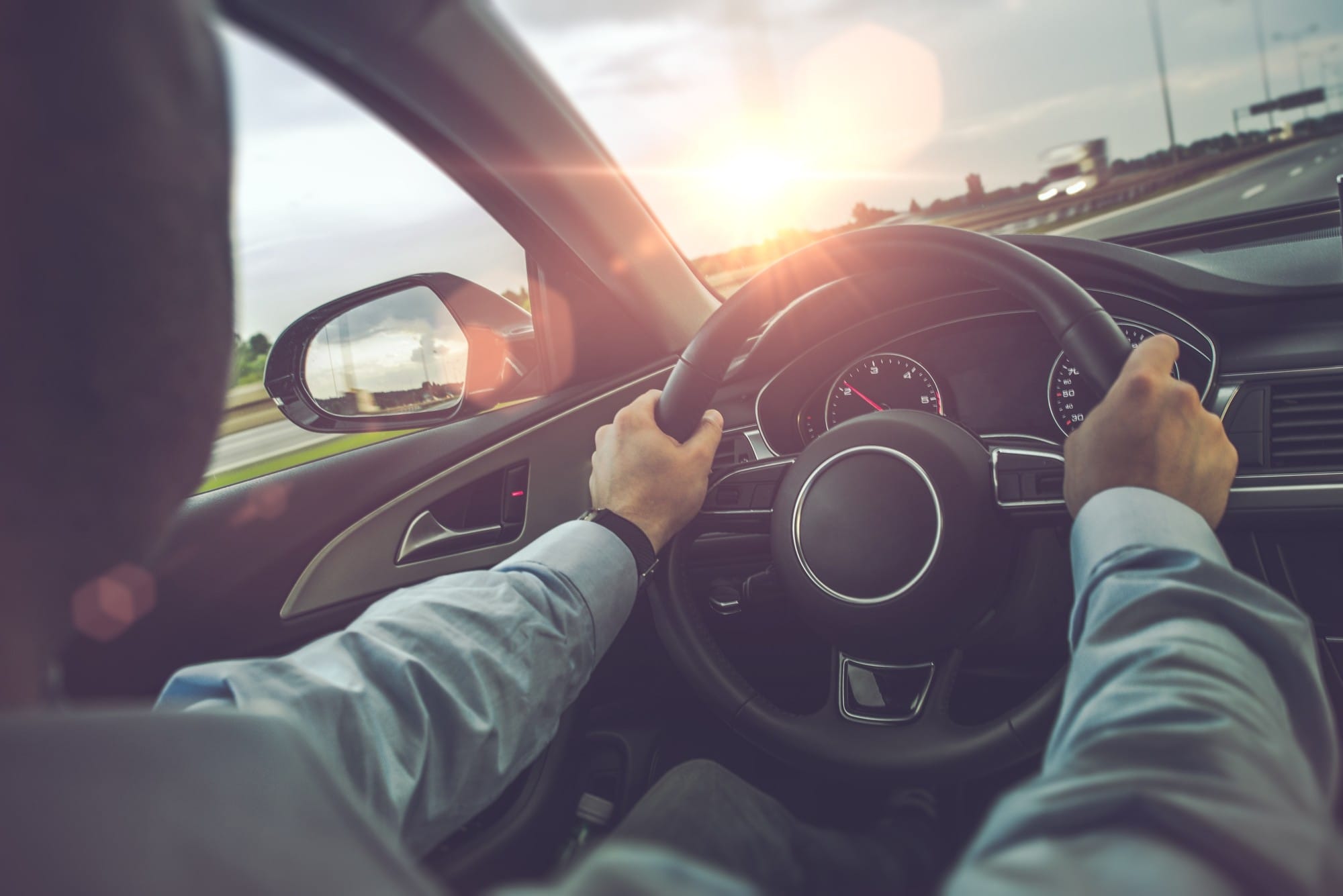
Driving in a new country can be exhilarating, opening up landscapes and experiences you’d never encounter from a tour bus. But it can also be daunting. The freedom of the open road comes with the responsibility of understanding and respecting the local driving customs. Are you prepared to navigate a roundabout in Rome or handle rush hour in Bangkok?
Knowing the local driving laws and etiquette is more than just avoiding a ticket; it’s about ensuring a safe and enjoyable trip for yourself and others. It’s about showing respect for the local culture and contributing to a smoother, more harmonious flow of traffic. Familiarizing yourself with these rules minimizes stress, preventing accidents and promoting positive interactions with locals. A little preparation goes a long way in turning a potentially nerve-wracking experience into a memorable adventure.
Before you even pick up your rental car, take a few minutes to research the specific driving regulations of your destination. A quick search online can reveal essential information about speed limits, road signs, and local customs, helping you adjust your driving style proactively.
Navigating the Nuances of Global Road Safety
Every country has its own unique set of road rules and expectations, often subtly different from what you're used to. While some aspects, like stop signs or traffic lights, are universally recognizable, others, like right-of-way rules at unmarked intersections or the use of headlights during the day, can vary significantly. Understanding these nuances is crucial for safe and respectful driving. Let's explore some key areas.
Understanding Right-of-Way Rules
One of the most important aspects of driving etiquette is understanding right-of-way rules. These rules dictate which vehicle has priority in different situations, such as at intersections, roundabouts, and when merging onto highways.
Roundabouts: In many European countries, vehicles already circulating in the roundabout have the right-of-way. Yield to traffic approaching from your left (in countries where vehicles drive on the right). In some countries, this rule is reversed! Always observe signage and be prepared to yield. Unmarked Intersections: Rules vary widely. In some countries, the vehicle approaching from the right has the right-of-way. In others, the larger vehicle might be given implicit priority (although this is not technically legal, it's often the observed custom!). Research the local custom to avoid misunderstandings and potential collisions. Yielding to Pedestrians:Many countries have strict laws protecting pedestrians, especially at marked crosswalks. Be prepared to stop for pedestrians even if they haven't fully entered the crosswalk. Failure to do so can result in hefty fines and, more importantly, endanger vulnerable road users.
Speed Limits and Enforcement
Speed limits are another area where significant variations exist globally. What constitutes a reasonable speed in one country might be considered reckless in another. Moreover, the enforcement of speed limits varies greatly.
Urban vs. Rural: Be aware that speed limits typically differ significantly between urban areas, rural roads, and highways. Pay close attention to posted speed limits, which are usually displayed in kilometers per hour (km/h) in most countries outside the United States. Speed Cameras: Many countries utilize speed cameras extensively. These cameras can be fixed or mobile and are often difficult to spot. Be aware of your speed at all times to avoid receiving a speeding ticket in the mail long after your trip is over. Tolerances:Some countries have a small tolerance for exceeding the speed limit, while others have zero tolerance. Research the local rules and err on the side of caution. It’s better to arrive a few minutes late than to risk a fine or, worse, an accident.
The Art of Overtaking
Overtaking, or passing another vehicle, is a maneuver that requires careful consideration and adherence to local rules. Incorrect overtaking can lead to dangerous situations and collisions.
Passing Lanes: Use designated passing lanes whenever possible. These lanes are specifically designed for overtaking slower vehicles safely. Solid Lines: Never overtake another vehicle if there is a solid line in the center of the road. A solid line indicates that overtaking is prohibited due to limited visibility or other hazards. Signaling:Always use your turn signals to indicate your intention to overtake. This alerts other drivers to your presence and allows them to anticipate your movements. Check your mirrors and blind spots carefully before changing lanes.
Essential Documents and Permits for Cross-Border Travel
Before you embark on your international driving adventure, ensure you have all the necessary documents and permits. Driving without the proper paperwork can lead to fines, vehicle impoundment, and other legal complications.
Do I need an international driving permit?
An international driving permit (IDP) is essentially a translation of your driver's license into multiple languages. While not always required, it's often highly recommended, especially in countries where your native language is not widely spoken. An IDP can simplify interactions with law enforcement and car rental agencies. Check the specific requirements of the countries you plan to visit. You usually need to obtain the IDP in your country of residencebeforeyou travel.
What documents should I carry when driving abroad?
When driving in a foreign country, it's crucial to have the following documents readily available:
Your valid driver's license from your home country.
Your international driving permit (if required or recommended).
Your passport or other form of official identification.
The vehicle's registration documents.
Proof of insurance.
Car rental agreement (if applicable).
Keep these documents in a safe and easily accessible location within the vehicle. Digital copies are also useful as a backup, but physical copies are often required.
How do police handle tourists on the road?
The treatment of tourists by law enforcement can vary widely from country to country. In some places, officers may be more lenient with tourists who commit minor traffic infractions, while in others, they may be stricter.
Be Respectful: Regardless of the situation, always be respectful and courteous when interacting with law enforcement officers. Explain that you are a tourist and that you are unfamiliar with the local traffic laws. Cooperate Fully: Cooperate fully with any requests from the police. Provide your documents promptly and answer their questions truthfully. Avoid Arguing:Avoid arguing or becoming confrontational. If you believe you have been unfairly treated, note the officer's name and badge number and consult with your embassy or consulate later.
Car Rental Tips Abroad for a Seamless Experience
Renting a car is often the most convenient way to explore a foreign country. However, it's essential to approach the car rental process with careful planning and attention to detail.
Choosing the Right Vehicle
Selecting the appropriate vehicle is crucial for a comfortable and safe driving experience. Consider the following factors: Road Conditions: The type of roads you'll be driving on should influence your vehicle choice. If you plan to explore off-the-beaten-path locations with unpaved roads, a four-wheel-drive vehicle might be necessary. Passenger and Luggage Capacity: Ensure the vehicle has enough space for all passengers and their luggage. Overcrowding can be uncomfortable and potentially unsafe. Fuel Efficiency: Fuel prices can vary significantly from country to country. Choose a fuel-efficient vehicle to save money on gas. Transmission Type: Be sure to book the transmission type you are comfortable with. In some countries, manual transmissions are more common, and automatic transmissions may cost more.
Insurance Coverage: What You Need to Know
Understanding the different types of insurance coverage is essential for protecting yourself financially in case of an accident or damage to the rental car.
Collision Damage Waiver (CDW): This coverage limits your financial responsibility for damage to the rental car. Third-Party Liability Insurance: This coverage protects you from financial liability if you cause damage or injury to another person or their property. Personal Accident Insurance (PAI):This coverage provides medical benefits for you and your passengers in case of an accident.
Review the rental agreement carefully to understand the extent of the insurance coverage. Consider purchasing additional coverage if necessary. Check if your credit card or existing auto insurance policy provides any rental car coverage.
Pre-Rental Inspection: A Must-Do
Before driving off the rental lot, conduct a thorough inspection of the vehicle. This can prevent you from being held liable for pre-existing damage.
Document Existing Damage: Carefully inspect the exterior and interior of the vehicle for any scratches, dents, or other damage. Document all existing damage on the rental agreement and take photos or videos as evidence. Check Fluid Levels: Verify that all fluid levels, such as oil, coolant, and windshield washer fluid, are adequate. Test Lights and Signals: Ensure that all lights, including headlights, taillights, brake lights, and turn signals, are functioning properly. Tire Condition: Inspect the tires for proper inflation and any signs of wear or damage.
By following these car rental tips, you can ensure a smooth and hassle-free experience, allowing you to focus on enjoying your international driving adventure.
Driving in a new country is an adventure that should be approached with both excitement and respect. By taking the time to understand local driving customs, preparing the necessary documents, and carefully considering your car rental options, you can confidently navigate foreign roads. Remember, a little preparation goes a long way in ensuring a safe, enjoyable, and memorable travel experience.
Posting Komentar untuk "Driving Etiquette: Local Customs to Respect"