How Different Countries Enforce Speed Cameras
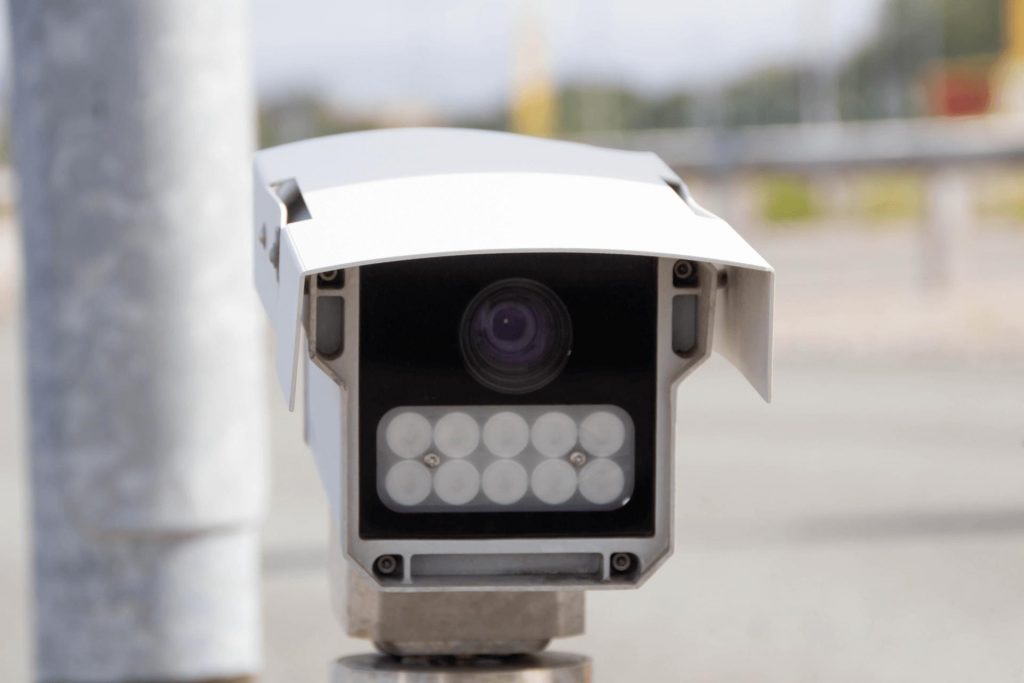
Navigating unfamiliar roads can be both thrilling and a little nerve-wracking, especially when you're behind the wheel in a foreign country. One aspect that often leaves travelers wondering is how different countries handle speed enforcement, specifically the use of speed cameras. A surprise speeding ticket in the mail weeks after you return home can quickly sour the memories of an otherwise fantastic trip.
Understanding how speed cameras operate in different regions is essential not only for staying within the bounds of the law, but also for ensuring your safety and the safety of others on the road. Familiarizing yourself with foreign traffic rules, including speed limits and camera enforcement practices, can prevent costly fines, points on your license (which might transfer internationally depending on agreements), and most importantly, accidents. Nobody wants to spend their vacation dealing with legal issues.
Before you even pack your bags, a smart move is to research the specific traffic laws of the countries you plan to visit. Many countries have government websites or tourism resources that provide detailed information in multiple languages. Knowing the speed limits in advance – whether they are in kilometers or miles per hour – is just the starting point; understanding the nuances of speed camera enforcement is equally vital.
How Different Countries Enforce Speed Cameras
The approach to speed camera enforcement varies dramatically across the globe. Some countries are incredibly strict, with cameras strategically placed and diligently monitored, while others have a more lenient approach. Let's explore some examples:Europe: Many European nations, including the UK, Germany, France, and Italy, have extensive networks of speed cameras. These cameras are often highly visible and well-signed, serving as a constant reminder to drivers to adhere to speed limits. In some areas, average speed cameras are used, which calculate your average speed over a longer distance between two or more points. This system is particularly effective at preventing drivers from simply slowing down momentarily when they spot a camera.
United Kingdom: Known for its comprehensive network, the UK employs various types of cameras, including Gatso cameras (the classic yellow box cameras), Truvelo cameras (front-facing cameras), and average speed cameras. Penalties for speeding can be significant, including fines and points on your license. Germany: While Germany is famous for its Autobahn (sections of which have no speed limits), speed cameras are prevalent in urban areas and on sections of the Autobahn with posted limits. It's crucial to pay attention to signs indicating speed limits, as they can change frequently. France:France uses a mix of fixed and mobile speed cameras. The government often publishes the locations of fixed cameras, but mobile cameras can be deployed anywhere. Be extra cautious, especially in residential areas.
North America: The use of speed cameras varies significantly between states and provinces in North America. Some jurisdictions embrace them wholeheartedly, while others have strict limitations or even bans.
United States: Speed camera enforcement is often a local decision in the US. Some cities and states use them extensively, particularly in school zones and construction areas. Other jurisdictions have outlawed or severely restricted their use due to public opposition. Be sure to research the laws in the specific states you'll be driving through. Canada: Similar to the US, the use of speed cameras varies by province. Some provinces, like Ontario, have strict enforcement, while others rely more on traditional police patrols.
Australia and New Zealand: These countries tend to have strict speed enforcement policies, with a high prevalence of speed cameras, both fixed and mobile.
Australia: Australia uses a wide range of camera technologies, including point-to-point cameras on major highways. Penalties for speeding can be severe, and demerit points can quickly accumulate, potentially leading to license suspension. New Zealand: New Zealand has a strong focus on road safety, and speed cameras are a key part of their enforcement strategy. Both fixed and mobile cameras are used, and fines are generally quite high.
Asia: The approach to speed cameras in Asia varies widely depending on the country.
Japan: Japan has a sophisticated system of speed cameras, often using radar technology. Speed limits are generally lower than in other developed countries, and enforcement is strict. Singapore: Singapore has a comprehensive network of speed cameras, and penalties for speeding can be substantial. The Land Transport Authority (LTA) actively promotes road safety and uses technology extensively to enforce traffic laws.
Do I need an international driving permit?
While not always mandatory, an international driving permit (IDP) is often highly recommended, especially if your driver's license is not in the language of the country you are visiting. An IDP translates your driver's license into multiple languages, making it easier for local authorities to understand. It's often required for car rental and can simplify interactions with law enforcement. Remember to always carry your original driver's license alongside your IDP, as the permit is only valid when presented with your domestic license. Check the specific requirements of the countries you plan to visit well in advance of your trip, as some countries recognize licenses from certain countries without needing an IDP. For example, a US driver's license is generally accepted in Canada.
What documents should I carry when driving abroad?
When driving in a foreign country, it's essential to have all the necessary documentation readily available. This typically includes:
Your valid driver's license from your home country
International Driving Permit (if required or recommended)
Passport
Vehicle registration documents (if you're driving your own car)
Car rental agreement (if applicable)
Proof of insurance (check if your existing insurance covers you abroad, or if you need to purchase additional coverage)
Emergency contact information
Keeping digital copies of these documents on your phone or in a secure cloud storage can also be helpful in case the originals are lost or stolen.
How do police handle tourists on the road?
The way police officers interact with tourists varies depending on the country and the specific situation. In general, law enforcement officers are professional and courteous, but it's essential to be respectful and cooperative. If you are pulled over, remain calm, follow the officer's instructions, and avoid making any sudden movements. If you don't understand what the officer is saying, politely ask for clarification. It can be helpful to learn a few basic phrases in the local language to improve communication. Showing respect for local laws and customs can go a long way in ensuring a positive interaction. If you receive a traffic ticket, understand the payment process and deadlines to avoid further complications.
Understanding Speed Camera Technology
Beyond just knowing the rules, it's helpful to understand the different types of speed camera technology that are used worldwide. This knowledge can help you be more aware of your surroundings and adjust your driving accordingly.
Radar Cameras: These cameras use radar technology to measure the speed of a vehicle. They emit radio waves and measure the change in frequency of the reflected waves to determine speed. They are effective at detecting speed from a distance. Laser Cameras (LIDAR): These cameras use laser beams to measure the speed of a vehicle. LIDAR technology is more precise than radar and can target specific vehicles in a group of traffic. Induction Loop Cameras: These cameras use sensors embedded in the road surface to detect the presence and speed of vehicles. They are often used at intersections to detect red-light violations and speeding. Average Speed Cameras: As mentioned earlier, these cameras measure the average speed of a vehicle over a longer distance. They use Automatic Number Plate Recognition (ANPR) technology to record the time a vehicle enters and exits a defined zone and calculate the average speed.
Being aware of these different technologies can help you anticipate the presence of speed cameras and adjust your driving behavior accordingly.
Tips for Avoiding Speeding Tickets Abroad
Avoiding speeding tickets while driving abroad is not just about saving money; it's about ensuring a safe and enjoyable trip. Here are some practical tips: Know the Speed Limits: This might seem obvious, but make sure you are aware of the speed limits in both urban and rural areas. Speed limits are often posted in kilometers per hour (km/h) in many countries, so make sure you are familiar with the conversion if you are used to miles per hour (mph). Pay Attention to Road Signs: Road signs provide valuable information about speed limits, road conditions, and potential hazards. Be vigilant and pay attention to these signs, especially in unfamiliar areas. Use a GPS Navigation System: A GPS navigation system can provide real-time information about speed limits and traffic conditions. Some navigation systems also provide warnings about the location of speed cameras. Drive Defensively: Driving defensively means being aware of your surroundings, anticipating potential hazards, and adjusting your driving accordingly. Maintain a safe following distance, avoid aggressive driving, and be prepared to react to unexpected situations. Be Mindful of Pedestrians and Cyclists: In many countries, pedestrians and cyclists have the right of way. Be particularly careful in urban areas and be prepared to yield to pedestrians and cyclists. Rent a Car with a Speed Limiter: Some rental cars come equipped with speed limiters, which can be set to prevent you from exceeding the speed limit. This can be a helpful feature for ensuring compliance with local traffic laws. Check Your Speedometer: Regularly check your speedometer to ensure you are not inadvertently exceeding the speed limit. It’s easy to lose track of your speed, especially on long drives. Avoid Distractions: Distracted driving is a major cause of accidents. Avoid using your phone while driving, and minimize other distractions such as eating, drinking, or adjusting the radio.
What to Do If You Get a Speeding Ticket
Despite your best efforts, you might still receive a speeding ticket while driving abroad. Here's what to do: Understand the Ticket: Carefully read the ticket and make sure you understand the violation and the payment instructions. If you don't understand something, ask for clarification. Pay the Fine Promptly: Paying the fine promptly can often result in a reduced penalty. Follow the instructions on the ticket for payment methods and deadlines. Keep Records: Keep a copy of the ticket and the payment receipt for your records. Consider Legal Advice: If you believe the ticket was issued unfairly, or if you are facing more serious charges, consider seeking legal advice from a local attorney. Inform the Rental Company (if applicable):If you rented a car, inform the rental company about the ticket. They may be able to assist you with the payment process or provide additional information.
By understanding the local laws, driving defensively, and taking precautions, you can minimize the risk of receiving a speeding ticket and enjoy a safe and memorable driving experience abroad.
Driving in a foreign country should be an adventure, not a source of stress. By taking the time to understand how different countries enforce speed cameras, familiarizing yourself with local traffic laws, and driving with caution and respect, you can confidently navigate the roads and create lasting memories of your travels. Always remember that global road safety is a shared responsibility. Enjoy the journey, but stay mindful of the rules!
Posting Komentar untuk "How Different Countries Enforce Speed Cameras"