Lesser-Known Road Signs You Might Encounter Abroad
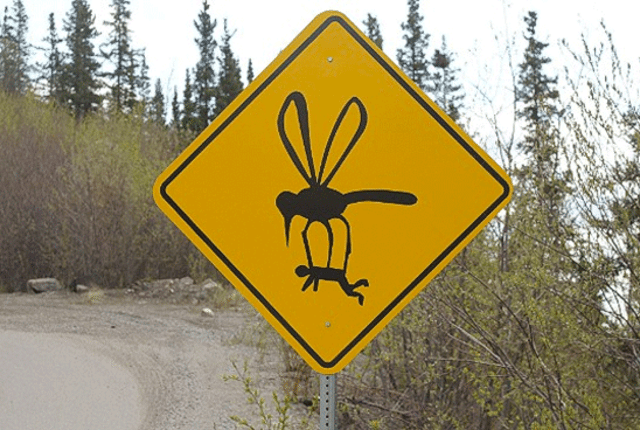
That initial thrill of open roads in a new country can quickly turn to anxiety if you're not prepared for unfamiliar traffic signs. Beyond the universally recognized stop signs and speed limits, each region boasts its own set of unique warnings, regulations, and informational markers. Navigating these subtleties is key to staying safe, avoiding costly fines, and truly enjoying your cross-border travel adventure.
Understanding foreign traffic rules isn't just about avoiding penalties; it's fundamentally about global road safety and respecting local driving culture. By familiarizing yourself with these lesser-known road signs, you contribute to a smoother flow of traffic, reduce the risk of accidents, and demonstrate consideration for the people who call that country home. A little preparation goes a long way in ensuring your trip is memorable for all the right reasons.
Before you even pick up your car rental abroad, dedicate some time to researching the specific road signs of the countries you'll be visiting. Many national tourism boards and automobile associations offer online resources, often with interactive quizzes, to help you identify and understand these symbols. Familiarizing yourself with even a handful of the most common local signs can significantly boost your confidence behind the wheel.
Decoding the Unfamiliar: Road Signs Beyond the Ordinary
Venturing onto foreign roads requires more than just an international driving permit; it demands an awareness of the visual language used to guide drivers. While some signs are based on international standards, many reflect local customs, hazards, or regulations. Let's explore some of these less common yet crucial road signs you might encounter during your travels.
Specific Hazard Warnings: Many countries use highly localized warnings to alert drivers to unique dangers.
Animal Crossings Beyond the Usual: While a deer crossing sign is fairly universal, you might encounter signs warning of moose (common in Scandinavia and North America), kangaroos (Australia), or even livestock specific to certain regions, such as sheep, cows, or horses. These signs often depict a silhouette of the animal itself. Pay extra attention in rural areas where these signs are prevalent. Ice and Snow Variations: Be aware of signs indicating black ice, sudden frost, or specific winter driving conditions that might not be familiar from your home country. These signs often use a combination of symbols and text in the local language. Specific Road Conditions:Signs alerting you to unpaved roads (common in South America and Africa), steep inclines or declines (often with a percentage grade indicated), or areas prone to landslides (especially in mountainous regions) are vital for safe navigation.
Regulation and Restriction Signs: These signs dictate what you can and cannot do on the road.
Priority Road Signs: Outside of North America, you'll commonly see signs indicating that you are entering or leaving a "priority road," meaning traffic on that road has the right of way at intersections. These signs are crucial for understanding who yields to whom. Environmental Zones: Many European cities have implemented environmental zones (LEZs), indicated by specific signs, which restrict access to vehicles based on their emissions standards. Driving in these zones without the proper permit can result in hefty fines. Toll Road Specifics: Look for signs indicating how to pay tolls – some countries use electronic toll collection, while others require cash or credit cards. Knowing this in advance prevents delays and potential penalties. Parking Restrictions: Be extremely mindful of parking signs, as restrictions can vary widely. Some signs indicate time limits, specific permit requirements, or restrictions based on the day of the week or time of day. The use of symbols and colors can also vary considerably.
Information and Directional Signs: While GPS is helpful, these signs provide valuable real-time information.
Tourist Route Markers: Many countries designate scenic tourist routes with special signs that highlight points of interest. These signs often use a specific color or symbol to distinguish them from regular directional signs. Alternative Route Markers: During road closures or heavy traffic, keep an eye out for signs indicating alternative routes. These signs may use temporary numbering or color-coding systems. Distance Markers:Pay attention to the units used on distance markers (kilometers vs. miles) to avoid miscalculating travel times and fuel consumption.
Staying Legal and Avoiding Trouble
Driving abroad requires not only understanding the road signs but also adhering to the specific legal requirements of each country. Familiarize yourself with these key aspects to avoid legal complications and ensure a smooth and stress-free journey.
Do I need an international driving permit?
An international driving permit (IDP) is often recommended or required, especially if your driver's license is not in the language of the country you're visiting. An IDP is essentially a translation of your driver's license and is valid in most countries. Check the specific requirements of the countries you plan to visit to determine if an IDP is necessary. You can typically obtain an IDP from your local automobile association. Remember that an IDP isnota replacement for your valid driver's license; you must carry both with you.
What documents should I carry when driving abroad?
Besides your valid driver's license and international driving permit (if required), you should also carry the following documents: Vehicle Registration: If you're driving your own vehicle, you'll need the original registration document. If you're renting a car, the rental company should provide you with the necessary paperwork. Insurance Certificate: Proof of insurance is mandatory in most countries. Ensure your insurance policy covers you for driving in the specific countries you'll be visiting. If you're renting a car, the rental agreement will usually include basic insurance, but you may want to consider purchasing additional coverage. Passport: Always carry your passport for identification purposes. Car Rental Agreement: If you are renting a vehicle, keep the original rental agreement in the car. Visa:Ensure your visa is valid for the duration of your stay.
How do police handle tourists on the road?
While the experience can vary depending on the country and the specific situation, it's generally advisable to remain calm, polite, and cooperative when interacting with law enforcement. Understand that police officers may not speak your language fluently.
Be Respectful: Show respect for the officer and follow their instructions. Provide Documentation: Have your driver's license, IDP (if required), vehicle registration, and insurance documents readily available. Ask for Clarification: If you don't understand something, politely ask for clarification. Avoid Arguing: Arguing with the officer will likely only make the situation worse. Know Your Rights: Research basic legal rights in the country you're visiting. Keep Records: If you receive a ticket, keep a copy for your records.
Remember that laws and enforcement practices vary. Researching local customs and traffic laws beforehand can help you avoid misunderstandings.
Essential Car Rental Tips for International Drivers
Securing a reliable car rental is a crucial part of planning any driving trip abroad. Here are some essential car rental tips to ensure a smooth and trouble-free experience: Book in Advance: Booking your car rental in advance, especially during peak season, can help you secure the best rates and ensure availability. Compare Prices: Shop around and compare prices from different rental companies. Consider factors such as included insurance, mileage limits, and additional fees. Read the Fine Print: Carefully review the rental agreement before signing. Pay attention to details such as insurance coverage, mileage restrictions, and fuel policies. Inspect the Vehicle: Before driving off, thoroughly inspect the vehicle for any existing damage and document it with photos or videos. This will help prevent you from being held responsible for pre-existing damage. Understand the Fuel Policy: Be clear about the rental company's fuel policy (e.g., full-to-full, pre-paid fuel). Ask About Local Driving Conditions: Inquire about any specific driving conditions or regulations in the area. Know the Emergency Procedures: Find out the rental company's emergency contact number and procedures in case of an accident or breakdown. Consider Additional Insurance: Evaluate whether you need additional insurance coverage beyond the basic insurance included in the rental agreement.
By following these car rental tips, you can minimize the risk of encountering problems and enjoy a more relaxed and enjoyable driving experience abroad.
Driving in a new country can feel daunting, but with a little preparation and a willingness to learn, it can be an incredibly rewarding experience. By familiarizing yourself with those lesser-known road signs, understanding the local traffic laws, and taking the necessary precautions, you can confidently navigate foreign roads and create lasting memories. Remember to drive defensively, be patient with yourself and others, and always prioritize safety. Embrace the adventure, but stay mindful of the rules, and you'll be well on your way to a truly unforgettable journey.
Posting Komentar untuk "Lesser-Known Road Signs You Might Encounter Abroad"