Toll Systems Around the World Explained
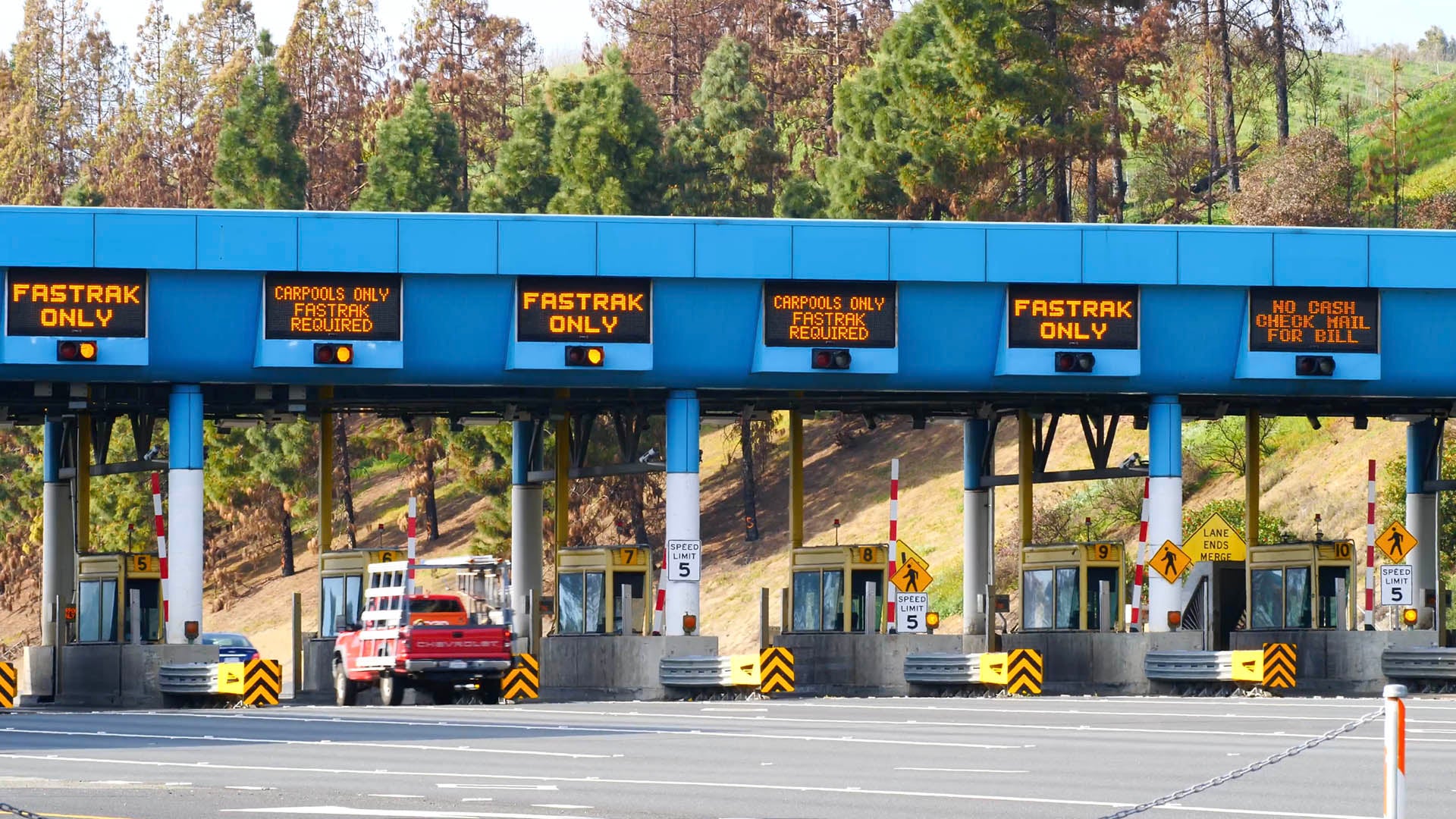
Ever feel a little knot of anxiety tighten when you think about navigating toll roads in a foreign country? You’re not alone. Many drivers find the prospect of understanding different toll systems around the world daunting. But with a little preparation, you can confidently cruise through toll plazas and enjoy the journey.
Understanding foreign traffic rules, including toll systems, is vital for a safe and stress-free cross-border travel experience. It helps avoid unexpected fines, ensures compliance with local regulations, and ultimately, protects you and your fellow travelers. It also allows you to budget effectively for your trip, avoiding nasty financial surprises. A little research goes a long way in making your adventure memorable for all the right reasons.
Before you even book your flight, take a moment to jot down the names of the countries you plan to drive in and search for their official tourism websites. These sites often have detailed information on toll roads, payment options, and any required permits. Doing this early allows you to factor in the costs and procedures into your overall travel planning.
Navigating Global Toll Systems
Toll systems vary significantly from country to country, even within the same continent. From traditional toll booths with cash payments to sophisticated electronic systems that automatically deduct fees, it's crucial to be aware of the nuances before you hit the road. Understanding these differences allows you to make informed decisions about payment methods and choose the best routes for your journey.
Common Types of Toll Systems
Manual Tolls: These are the most traditional, involving physical toll booths where you pay with cash or a card. Be prepared for potential delays during peak hours. Keep small denominations of local currency handy. Electronic Toll Collection (ETC): Many countries use ETC systems, where a transponder or tag is attached to your vehicle. As you pass through designated toll points, the fee is automatically deducted from a prepaid account. Vignette Systems: Some countries utilize a vignette system, requiring you to purchase a sticker and affix it to your windshield. The vignette is valid for a specific period, allowing unlimited access to toll roads within that time. Enforcement is typically carried out via visual inspection. Free-Flow Tolling: This increasingly popular system uses cameras to identify vehicles and charge tolls based on license plate recognition. Payment can often be made online or through a registered account.
Key Considerations for International Drivers
When planning your drive, factor in the following points to avoid potential problems: Research Payment Options: Before your trip, investigate the payment methods accepted on toll roads in each country you plan to visit. Can you pay with cash, credit card, or do you need to purchase a transponder or vignette? Rental Car Toll Policies: If you're renting a car, clarify the car rental tips abroad related to toll roads. Some rental companies offer toll packages, while others automatically charge tolls to your rental agreement, often with an additional service fee. Understand the implications of using the rental company’s option versus purchasing your own solution. Understand Signage: Familiarize yourself with the signage used to indicate toll roads and payment methods. This will help you navigate toll plazas smoothly and avoid accidental violations. Check for Exemptions: Some vehicles, such as motorcycles or electric cars, may be exempt from tolls in certain regions. Research any applicable exemptions before your trip. Keep Records:Always retain toll receipts or proof of payment. This can be helpful in case of disputes or billing errors.
Essential Documents for Driving Overseas
Before embarking on your international driving adventure, ensure you have all the necessary documentation. Missing or invalid documents can lead to fines, delays, or even the impoundment of your vehicle.
The International Driving Permit (IDP)
An international driving permit (IDP) is a translation of your driver's license into multiple languages. It's not a replacement for your license, but rather a supplementary document that validates your driving privileges in foreign countries.
Do I need an international driving permit?
Whether you need an IDP depends on the specific regulations of the countries you plan to visit. Some countries require it, while others accept your valid driver's license. It’s always a good idea to obtain an IDP if there’s any doubt. Check the official requirements for each country on your itinerary well in advance of your departure.
Other Crucial Documents
Beyond your driver's license and IDP, you'll need other important documents: Vehicle Registration: If you're driving your own vehicle, carry the original registration document or a certified copy. Insurance: Ensure you have valid car insurance that covers you in the countries you'll be driving through. Check the policy details for geographical limitations and coverage levels. A "Green Card" is often required in Europe as proof of insurance. Passport: Your passport is essential for border crossings and verifying your identity. Car Rental Agreement (if applicable): If you’re renting, have the agreement readily available, as it contains crucial information about the vehicle and your rental terms.
What documents should I carry when driving abroad?
As a checklist, it’s wise to carry:
Valid Driver’s License
International Driving Permit (if required)
Vehicle Registration (or Rental Agreement)
Insurance Certificate (Green Card, if required)
Passport
Copies of all important documents (stored separately from the originals)
Understanding and Obeying Foreign Traffic Rules
Navigating unfamiliar roads also means understanding local traffic laws. Differences in speed limits, road signs, and right-of-way rules can catch you off guard if you’re not prepared. Knowledge of these laws is paramount for global road safety.
Key Differences to Be Aware Of
Speed Limits: Speed limits vary significantly between countries and even within different regions. Pay close attention to posted speed limits and adjust your driving accordingly. Right-of-Way Rules: Understand the local rules for yielding and merging. In some countries, roundabouts are common, and you must yield to traffic already circulating within the roundabout. Traffic Signs: Familiarize yourself with common traffic signs, including warning signs, regulatory signs, and directional signs. Many signs use symbols rather than words, so understanding the symbols is essential. Lane Usage: Understand lane markings and proper lane usage. In some countries, the left lane is strictly for passing, and you must return to the right lane after overtaking another vehicle. Alcohol Limits:Be aware of the legal alcohol limit for driving in each country. Many countries have stricter limits than the United States.
Handling Interactions with Law Enforcement
Interacting with police in a foreign country can be stressful, even if you haven’t done anything wrong. Knowing how to handle these situations respectfully can prevent misunderstandings and ensure a smooth resolution.
How do police handle tourists on the road?
Generally, police officers are accustomed to dealing with tourists who may be unfamiliar with local laws. However, it’s crucial to remain polite and cooperative.
Be Respectful: Address the officer politely and respectfully. Avoid arguing or raising your voice. Provide Documentation: Present your driver's license, IDP, registration, and insurance documents promptly when requested. Ask for Clarification: If you don’t understand something, politely ask the officer to explain it. Request an Interpreter: If you don't speak the local language, ask if an interpreter is available. Avoid Admission of Guilt: Do not admit guilt or make any statements that could be used against you. Obtain a Receipt: If you are issued a ticket, obtain a receipt with clear information about the violation and payment instructions.
Driving in a foreign country can be a rewarding adventure when you're well-informed and prepared. By understanding toll systems, carrying the necessary documents, and familiarizing yourself with local traffic rules, you can confidently navigate the roads and enjoy the journey. Embrace the experience, stay alert, and always prioritize safety. With a little planning, you can ensure your international driving adventure is memorable for all the right reasons.
Posting Komentar untuk "Toll Systems Around the World Explained"