How Driving Laws Differ Between Islands and Mainland
Ever wondered if that island paradise you’re dreaming of has different road rules than back home? You’re right to ask! Navigating foreign traffic rules can feel like a gamble, especially when crossing borders or hopping between islands and a mainland. One-way streets that weren’t, roundabouts that seem to defy logic, and speed limits that leave you scratching your head – these are just a few surprises that await the unprepared driver.
Understanding global road safety and foreign traffic rules is paramount, not only for your personal safety but also to ensure a stress-free and enjoyable trip. Familiarizing yourself with local driving regulations can prevent accidents, fines, and even legal complications. A little preparation goes a long way in transforming potential travel nightmares into smooth sailing adventures.
Before you even book that plane ticket, research the basic driving laws of your destination. A simple Google search for "[Destination Name] driving laws" can provide a wealth of information, including speed limits, right-of-way rules, and specific regulations regarding pedestrians and cyclists. This simple step can give you a foundation of knowledge before diving into the details.
Island vs. Mainland: Unique Driving Differences
Driving regulations aren't universal. Significant variations exist not just between countries, but also between islands and mainlands within the same nation. Island nations, often with limited space and unique cultural contexts, frequently develop their own specific approaches to traffic management. These differences can stem from a variety of factors, including road infrastructure, population density, and even local customs. From intricate roundabouts designed for smaller vehicles to unexpected right-of-way rules favoring local traffic, the nuances of driving on islands demand attention.
Consider, for example, parking regulations. On densely populated islands, parking can be incredibly restrictive, with designated zones, time limits, and hefty fines for violations. Mainland cities might offer more parking options, but also feature complex permit systems. Similar variations can exist in speed limits, with lower limits in island communities to prioritize pedestrian safety. Understanding these seemingly small differences is key to responsible and enjoyable cross-border travel.
Key Areas Where Driving Laws Diverge
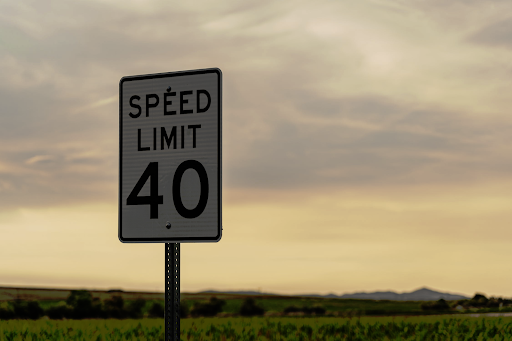
Several key areas consistently showcase differences in driving laws between islands and mainlands. Let's explore some of the most critical: Speed Limits: Island nations frequently have lower speed limits compared to their mainland counterparts. This reflects the often-narrower roads, increased pedestrian traffic, and a general emphasis on safety over speed. Be particularly vigilant in residential areas and near schools. Right-of-Way Rules: While generally consistent across a nation, island cultures may have nuanced interpretations of right-of-way, particularly in unmarked intersections. Local customs and unwritten rules can influence driver behavior, requiring a heightened awareness of your surroundings. Parking Regulations: As mentioned, parking is often a premium on islands. Expect stricter regulations, limited parking spaces, and potentially aggressive enforcement. Research parking options in advance, and be prepared to use public transportation or ride-sharing services. Vehicle Types: Islands may have a higher prevalence of smaller vehicles, such as scooters and compact cars, reflecting the limited road space and fuel efficiency considerations. Be aware of these vehicles and adjust your driving accordingly, giving them ample space and consideration. Road Conditions: Island roads can be more challenging than mainland roads. Expect narrower lanes, sharper turns, and potentially less maintenance. Drive cautiously and be prepared for unexpected obstacles. Use of Horn: The use of a car horn differs wildly from place to place, and even from island to mainland. What is considered standard or necessary in one region might be seen as impolite and aggressive in another. Pay attention to local habits and avoid using your horn unless absolutely necessary.
Essential Documents for Driving Overseas
Traveling internationally requires meticulous attention to detail, especially when it comes to your driving credentials. Ensure you have all the necessary documents before embarking on your journey to avoid legal complications and potential delays.
Valid Driver's License: Your domestic driver's license is the foundation. Make sure it's current and hasn't expired. Some countries only accept licenses printed in their own language, so consider an international driving permit. International Driving Permit (IDP): An IDP is essentially a translation of your driver's license into multiple languages. It's required in many countries and highly recommended even if not strictly mandated. It simplifies communication with local authorities and car rental agencies. Vehicle Registration and Insurance: If you're driving your own vehicle, carry the original registration documents and proof of insurance. If renting a car, the rental agreement should include these documents. Passport: Your passport serves as your primary identification document and is essential for international travel. Car Rental Agreement (if applicable):If you're renting a car, keep a copy of the rental agreement readily available. This document outlines the terms and conditions of the rental, including insurance coverage and responsibilities.
Do I need an international driving permit?
An international driving permit (IDP) is often required, especially in countries where your domestic driver's license is not printed in the local language. Check the specific requirements of your destination country before traveling. Even if not strictly required, an IDP can be helpful for communication with local authorities and car rental agencies. You can typically obtain an IDP from your local automobile association. Remember to apply well in advance of your trip, as processing times may vary. Make sure it is anofficial IDP and not one from an unverified online source.
What documents should I carry when driving abroad?
Always carry your valid driver's license (and international driving permit, if required), passport, vehicle registration documents (if applicable), proof of insurance, and the car rental agreement (if renting). It's also a good idea to have copies of these documents stored separately, both physically and digitally, in case of loss or theft. Having these documents readily available will help you navigate any roadside checks or interactions with law enforcement.
How do police handle tourists on the road?
Law enforcement practices vary widely from country to country. In general, police officers are more understanding of tourists who demonstrate respect and cooperation. If stopped, remain calm, be polite, and present your documents promptly. Attempt to understand the reason for the stop and follow the officer's instructions carefully. If you don't speak the local language, try to communicate clearly and simply. Remember, a respectful and cooperative attitude can go a long way in resolving any misunderstandings.
Car Rental Tips Abroad
Securing a reliable car rental is a crucial step in planning your international driving adventure. Here are some essential car rental tips abroad to consider: Book in Advance: Especially during peak season, booking your car rental in advance is highly recommended. This ensures availability and often secures better rates. Compare Prices: Use online comparison websites to compare prices from different rental companies. Pay attention to the included insurance coverage and any additional fees. Read the Fine Print: Carefully review the rental agreement before signing. Understand the terms and conditions, including the insurance coverage, mileage restrictions, and return policy. Inspect the Vehicle: Before driving off, thoroughly inspect the vehicle for any existing damage. Document any scratches, dents, or other issues on the rental agreement to avoid being held responsible for them upon return. Understand Local Driving Laws: As we've discussed, familiarize yourself with the local driving laws and regulations. Ask the rental company for any specific advice or recommendations. GPS Navigation: Consider renting a GPS navigation system or using a smartphone app with offline maps. This can be invaluable for navigating unfamiliar roads. Emergency Contact Information:Make sure you have the rental company's emergency contact information readily available in case of any breakdowns or accidents.
Mastering Global Road Safety
Global road safety is not just about following the rules; it's about adopting a mindful and proactive approach to driving in unfamiliar environments. Here’s how to bolster your safety awareness: Be Extra Vigilant: Assume other drivers may not follow the rules as strictly as you're accustomed to. Be prepared for unexpected maneuvers and always maintain a safe following distance. Watch for Pedestrians and Cyclists: In many countries, pedestrians and cyclists have greater right-of-way than in your home country. Be particularly attentive in urban areas and near pedestrian crossings. Adjust to Local Driving Styles: Observe the driving habits of local drivers and try to adapt your driving style accordingly. This can help you anticipate their actions and avoid potential conflicts. Take Breaks: Long drives can be tiring, especially in unfamiliar environments. Take regular breaks to rest and refresh yourself. Avoid Driving Under the Influence: Driving under the influence of alcohol or drugs is illegal and dangerous in every country. Never drink and drive. Stay Alert and Focused: Avoid distractions while driving, such as using your phone or engaging in heated conversations. Focus on the road and your surroundings. Trust your instincts:If something feels unsafe, don't do it. It's always better to be cautious and err on the side of safety.
With careful preparation and a respectful attitude towards local customs, driving in a new country can be an enriching and rewarding experience. Embrace the adventure, stay alert, and remember that every journey is an opportunity to learn and grow. Enjoy the open road, and drive safely!
Posting Komentar untuk "How Driving Laws Differ Between Islands and Mainland"