Tourist-Friendly Countries with Relaxed Driving Laws
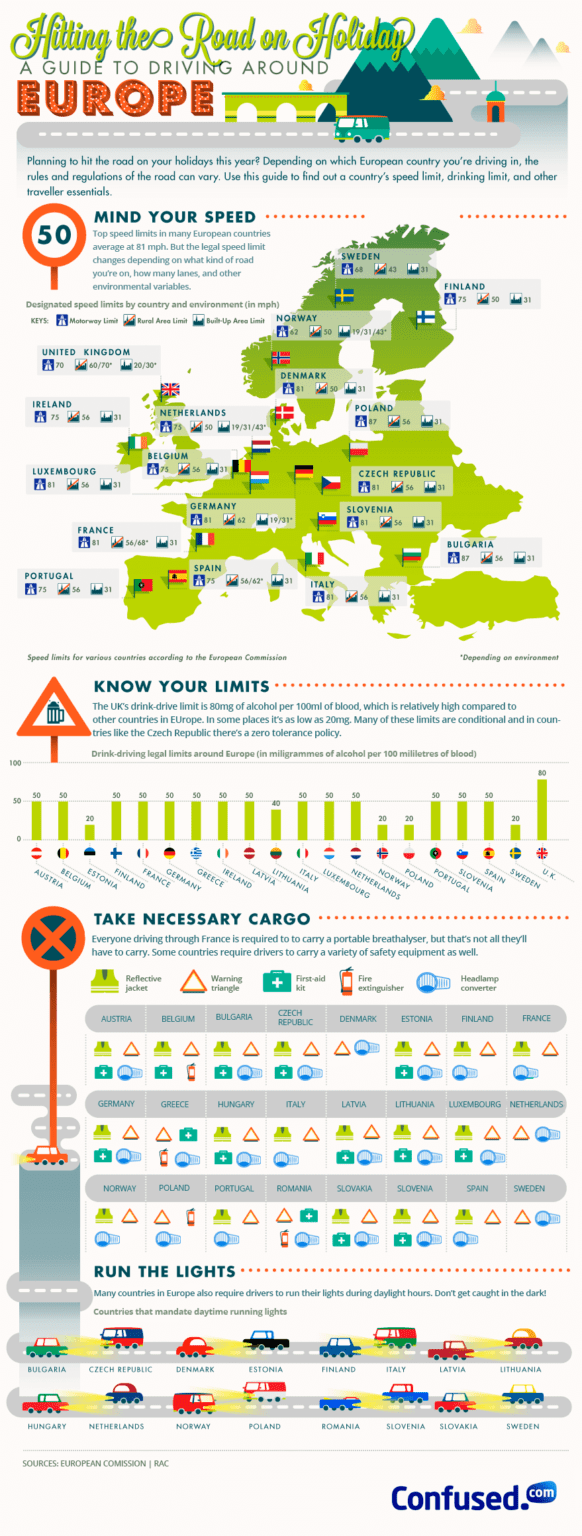
The open road is calling, but the thought of navigating unfamiliar traffic laws in a foreign country can quickly pump the brakes on your travel dreams. It’s easy to feel overwhelmed! But don't let the fear of the unknown keep you from experiencing the joy of a road trip in another part of the world. With a little preparation, you can confidently explore breathtaking landscapes and charming villages from behind the wheel.
Understanding the nuances of driving regulations around the globe isn’t just about avoiding fines; it’s about ensuring your safety and the safety of others. Familiarizing yourself with local customs and laws allows for a smoother, more enjoyable experience, reducing stress and maximizing your time soaking in the sights. After all, no one wants a misunderstanding with local authorities to derail their vacation!
One simple action you can take right now is to check if your destination requires an international driving permit (IDP). An IDP is essentially a translation of your driver’s license, making it easier for foreign authorities to understand your driving credentials. Even if it's not strictly required, having one can often simplify car rental processes and interactions with law enforcement.
Tourist-Friendly Countries and Their Approach to Foreign Drivers
Not all countries treat foreign drivers the same. Some are known for being more understanding and lenient, particularly when dealing with minor infractions. This isn't to say that you can disregard the rules, but it can offer peace of mind knowing that mistakes are handled with a bit more grace. Below are a few examples of countries often cited as tourist-friendly when it comes to driving: Canada:With driving rules similar to the United States, Canada is generally welcoming to foreign drivers. Its vast landscapes and well-maintained highways make it ideal for road trips. Be sure to familiarize yourself with provincial traffic laws, as they can vary slightly. They are generally very understanding with American drivers, especially if it's an honest mistake.
Australia: While driving on the left can take some getting used to, Australia boasts excellent road infrastructure and clear signage. Rural areas offer stunning scenery, and authorities are typically understanding of tourists navigating unfamiliar roads. However, be warned that speeding is taken very seriously!
New Zealand: Similar to Australia, New Zealand offers breathtaking landscapes and a relatively relaxed atmosphere for foreign drivers. The emphasis is on safe driving practices and consideration for others on the road. They also drive on the left, so extra caution is necessary.
United Kingdom: While the UK also drives on the left, they often show leniency to tourists who accidentally make minor errors. Their road infrastructure is very developed, but be careful navigating small country roads, especially in older cars.
Ireland: The Irish are renowned for their hospitality, and this extends to their treatment of tourists on the roads. While driving on the left, navigating the narrow, winding roads of the countryside requires caution, the locals are usually very helpful.
Germany: German roads are built to the highest quality and are very safe. While most German laws are strict, the police are more lenient towards obvious mistakes. They also speak English, which is very helpful.
It's important to emphasize that "relaxed" doesn't mean lawless.In all of these countries, adhering to speed limits, traffic signals, and other regulations is crucial. This simply reflects a generally more forgiving attitude toward tourists who may be unfamiliar with local driving customs.
Essential Documents for Driving Overseas
Before embarking on your international road trip, make sure you have all the necessary documents in order. Being prepared can prevent unnecessary delays and potential legal issues. Here’s a checklist of essential items: Valid Driver's License: Your driver's license from your home country is the primary document you need. International Driving Permit (IDP): Check if your destination country requires or recommends an IDP. This document translates your driver's license into multiple languages, facilitating communication with local authorities. Passport: Essential for identification and cross-border travel. Vehicle Registration: If you're driving your own vehicle, ensure you have the original registration documents. Car Rental Agreement: If renting a car, keep the rental agreement readily available. Insurance Documents: Verify that your car insurance covers you in the countries you plan to visit. Obtain international car insurance if necessary. Visa (if required): Depending on your nationality and destination, you may need a visa to enter the country. Travel Insurance Information: Though not directly related to driving, having your travel insurance details readily accessible can be invaluable in case of accidents or emergencies.
Having digital copies of these documents on your phone or in the cloud is also a good idea as a backup. It is important to note that an IDP is only a translation, and must be accompanied by your actual driver's license in order to be valid.
Understanding Foreign Traffic Rules
Navigating unfamiliar foreign traffic rules can be a challenge, but taking the time to learn the basics can make your journey much smoother. Here are some key areas to research before you go: Speed Limits: Pay close attention to speed limits, as they vary significantly from country to country. Look for speed limit signs along the road, but also be aware of default speed limits for different types of roads (e.g., highways, urban areas). Traffic Signals: Understand the meaning of different traffic signals and road markings. Some countries may have unique signals that you're not familiar with. Also, traffic cameras may be very common, and you won't know you broke the law until months after. Right-of-Way Rules: Learn the rules of right-of-way at intersections and roundabouts. Roundabouts, in particular, can be confusing for drivers from countries where they are less common. Parking Regulations: Familiarize yourself with parking rules and restrictions in urban areas. Look for designated parking zones and be aware of time limits and payment requirements. Driving Under the Influence (DUI) Laws: Understand the legal blood alcohol content (BAC) limits and the consequences of driving under the influence. Many countries have much stricter DUI laws than your home country. Use of Mobile Phones: Be aware of the laws regarding the use of mobile phones while driving. Many countries prohibit the use of handheld devices while operating a vehicle. Mandatory Equipment: Some countries require drivers to carry specific equipment in their vehicles, such as reflective vests, warning triangles, and first-aid kits. Be sure to find out what is required in the country you plan to drive in. Toll Roads: Plan your route based on toll road locations, because toll roads can greatly increase costs if you are not aware. Also, be aware of how to pay tolls in certain areas.
People Also Ask
Do I need an international driving permit?
An international driving permit (IDP) is highly recommended, and sometimes required, when driving in a foreign country. It translates your driver's license into multiple languages, making it easier for local authorities to understand your driving credentials. Check the specific requirements of the countries you plan to visit. Even if it's not strictly required, having an IDP can often simplify car rental processes and interactions with law enforcement.
What documents should I carry when driving abroad?
When driving abroad, it's essential to carry several important documents:
Your valid driver's license from your home country.
An international driving permit (IDP) if required or recommended.
Your passport for identification and cross-border travel.
Vehicle registration documents if you're driving your own car.
The car rental agreement if you're renting a vehicle.
Insurance documents to prove you have adequate coverage.
A visa if required for entry into the country.
Keeping digital copies of these documents as a backup is also a good idea.
How do police handle tourists on the road?
How police handle tourists on the road can vary depending on the country and the nature of the infraction. In many tourist-friendly countries, officers are generally understanding of minor errors or misunderstandings, especially if the driver is genuinely unfamiliar with local traffic laws. However, serious offenses such as drunk driving, reckless driving, or speeding are typically dealt with strictly, regardless of whether the driver is a tourist or a local. It's always best to be polite, respectful, and cooperative with law enforcement officers. If you don't understand something, ask for clarification. Having an IDP can also help facilitate communication.
Remember, local driving can be an incredible way to see the world! By taking the time to prepare and familiarize yourself with the rules of the road, you can confidently embrace the adventure and create unforgettable memories. Travel smart, drive safely, and enjoy the journey!
Posting Komentar untuk "Tourist-Friendly Countries with Relaxed Driving Laws"