Understanding Car Rental Contracts in Foreign Countries
Few things compare to the thrill of exploring a new country from behind the wheel, experiencing its hidden gems and stunning landscapes at your own pace. But before you buckle up and hit the open road in a foreign land, it's essential to understand the ins and outs of car rental contracts. These agreements can seem daunting, especially when navigating unfamiliar terms and conditions in a different language.
Understanding the legal landscape of driving in another country is paramount for a safe and stress-free adventure. Familiarizing yourself with the local traffic laws and regulations ensures not only your personal safety and that of other road users, but also protects you from potential fines, legal complications, or even the invalidation of your car rental agreement. Ignoring these rules can quickly turn your dream vacation into a nightmare.
Before you even begin browsing car rental websites, research the specific driving laws of the country you plan to visit. Many countries have unique rules regarding speed limits, right-of-way, parking, and alcohol consumption, which can differ significantly from your home country.
Decoding the Car Rental Agreement
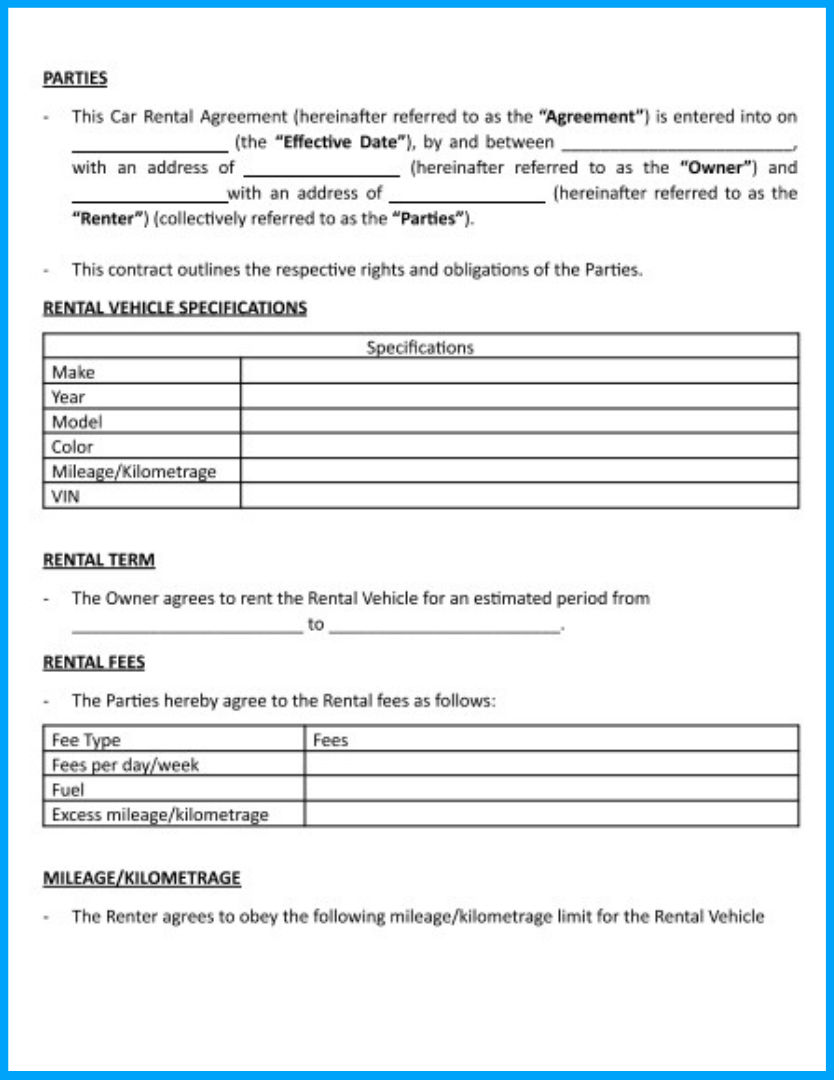
Car rental agreements, regardless of the country, are legally binding contracts. They outline the rights and responsibilities of both the renter (you) and the rental company. Taking the time to carefully review this document before signing is crucial to avoid misunderstandings and potential disputes later on.
Here are some key areas to focus on: Rental Period: Double-check the pick-up and drop-off dates and times to ensure they align with your travel plans. Pay close attention to the grace period, if any, for returning the vehicle late. Late returns can often incur significant extra charges. Included Insurance: Understand what types of insurance are included in the base rental price. Common types include Collision Damage Waiver (CDW), which covers damage to the rental vehicle, and Third Party Liability, which covers damage or injury to others. Coverage Options: The rental company will likely offer additional insurance coverage options. Consider whether you need these based on your existing insurance coverage (through your credit card or personal auto policy) and your risk tolerance. Carefully evaluate the deductibles associated with each coverage option. Permitted Drivers: The agreement will specify who is authorized to drive the vehicle. Allowing an unauthorized driver behind the wheel can void your insurance coverage and expose you to significant liability. Geographic Restrictions: Some rental agreements may restrict where you can drive the vehicle. For example, cross-border travel might be prohibited or require special permission. Fees and Charges: Scrutinize all potential fees and charges, including airport surcharges, fuel charges, cleaning fees, and any charges for optional extras like GPS navigation systems or child seats. Vehicle Condition: Before leaving the rental lot, thoroughly inspect the vehicle for any existing damage, no matter how minor. Document any scratches, dents, or other imperfections on the rental agreement or with photos/videos. This will protect you from being held liable for pre-existing damage. Fuel Policy: Understand the rental company's fuel policy. Common options include "full-to-full" (you return the vehicle with a full tank), "pre-purchase" (you pay for a full tank upfront), and "same-as-pickup" (you return the vehicle with the same amount of fuel as when you picked it up). Choose the option that best suits your driving needs and budget.
What Happens if I Have an Accident?
In the unfortunate event of an accident, your first priority is to ensure the safety of yourself and others involved. Call the local emergency services immediately if anyone is injured. Then, contact the car rental company to report the accident and follow their instructions. Gather as much information as possible at the scene, including the other driver's contact information, insurance details, and vehicle registration number. Take photos of the damage to all vehicles involved. Do not admit fault, as this could prejudice your insurance claim. Obtain a police report if possible. Understanding your included insurance coverage and the process for filing a claim is crucial in these situations. Keep all paperwork related to the accident, including the rental agreement, police report, and any correspondence with the rental company.
Do I Need an International Driving Permit?
An international driving permit (IDP) is essentially a translation of your driver's license into multiple languages. While it doesn't replace your original license, it's often required or highly recommended when driving in a foreign country, especially if your driver's license is not in the local language. Check the specific requirements of the country you plan to visit to determine if an IDP is necessary. You can typically obtain an IDP from your local automobile association or licensing authority. Remember to carry both your original driver's license and your IDP when driving abroad. This is a key piece of the documents needed for driving overseas.
Navigating Local Driving Laws
Familiarizing yourself with local driving laws is just as important as understanding the car rental agreement. Foreign traffic rules can vary significantly from what you're accustomed to at home, and ignorance is not an excuse in the eyes of the law.
Here are some crucial areas to research: Speed Limits: Pay close attention to posted speed limits, as they can vary depending on the type of road (e.g., highways, rural roads, urban areas). Speeding is a common traffic violation and can result in hefty fines. Right-of-Way Rules: Understand the local rules regarding right-of-way at intersections and roundabouts. Failure to yield appropriately can lead to accidents. Traffic Signs and Signals: Familiarize yourself with the meaning of local traffic signs and signals. Some signs may look different from those in your home country. Parking Regulations: Be aware of parking restrictions and designated parking areas. Parking illegally can result in fines or even having your vehicle towed. Seatbelt Laws: Ensure that all occupants of the vehicle are wearing seatbelts, as required by law. Child Safety Restraints: Use appropriate child safety restraints for children of specific ages and sizes, as mandated by law. Alcohol Consumption: Be aware of the legal blood alcohol content (BAC) limit and the penalties for drunk driving. Even a small amount of alcohol can impair your driving ability. Mobile Phone Use: Understand the local laws regarding the use of mobile phones while driving. Many countries prohibit the use of handheld devices.
What Documents Should I Carry When Driving Abroad?
When driving in a foreign country, it's essential to carry the following documents with you at all times:
Your original driver's license
An international driving permit (if required)
Your passport or other form of identification
The car rental agreement
Proof of insurance (usually provided by the rental company)
Vehicle registration documents (usually kept in the glove compartment)
How Do Police Handle Tourists on the Road?
Interactions with law enforcement can be stressful, especially in a foreign country. Remember to remain calm, polite, and respectful at all times. If you're stopped by the police, provide the requested documents promptly and answer their questions truthfully. If you don't understand something, politely ask for clarification. Avoid arguing or becoming defensive. If you receive a traffic ticket, be sure to understand the payment process and deadlines. Ignoring a traffic ticket can lead to more serious consequences.
Essential Car Rental Tips Abroad
Beyond understanding the contract and local laws, there are a few extra car rental tips abroad that can enhance your experience and prevent potential headaches.
Book in Advance: Especially during peak travel seasons, booking your rental car in advance can help you secure the best rates and ensure availability. Compare Prices: Don't settle for the first rental car you find. Compare prices from different rental companies to find the best deal. Read Reviews: Check online reviews of rental companies to get an idea of their customer service and reputation. Consider GPS Navigation: Unless you have reliable mobile data and navigation apps, consider renting a GPS navigation system or bringing your own. Getting lost in an unfamiliar country can be frustrating and time-consuming. Learn Basic Phrases: Knowing a few basic phrases in the local language can be helpful when interacting with rental company staff or other locals. Stay Alert and Aware: Be aware of your surroundings and drive defensively. Pay attention to local driving habits and road conditions. Keep Emergency Numbers Handy: Save the phone numbers for the rental company, local emergency services, and your embassy or consulate in your phone. Check for Hidden Fees: Always ask about any potential hidden fees or charges before signing the rental agreement. Understand Cross-Border Travel Rules: If you plan on cross-border travel, confirm that it's allowed and understand any associated fees or restrictions. Document Everything: Keep copies of all rental agreements, insurance documents, and any other relevant paperwork.
Venturing onto foreign roads can be an incredibly rewarding part of any travel experience. By taking the time to thoroughly understand car rental contracts, familiarize yourself with local driving laws, and heed practical car rental tips abroad, you can transform potential worries into confident exploration. Approach your journey with a spirit of adventure tempered by responsible preparation, and you'll be well-equipped to navigate the global road safety landscape with ease.
Posting Komentar untuk "Understanding Car Rental Contracts in Foreign Countries"