Driving in Countries with Unfamiliar Weather Conditions
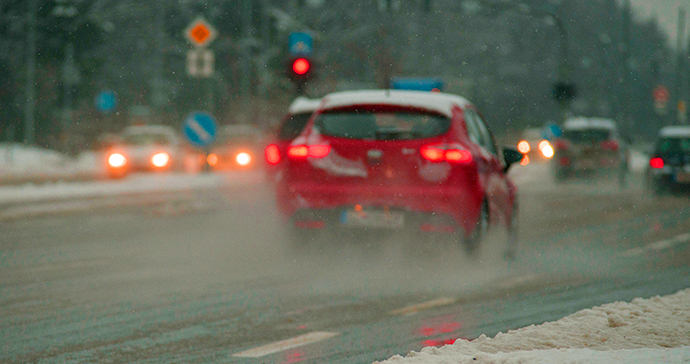
That thrill of exploring a new country by car… it’s unmatched! But what happens when that dream road trip takes you through landscapes where the weather throws challenges you’ve never faced before? From scorching desert heat to blinding snowstorms, unfamiliar conditions can quickly turn your adventure into a stressful situation.
Understanding global driving laws and adapting to different weather patterns is paramount for a safe and enjoyable cross-border travel experience. It's not just about knowing how to operate a vehicle; it's about respecting the environment, the local regulations, and other drivers on the road. Careful planning and preparation allow you to navigate confidently, ensuring your focus remains on the joy of discovery rather than worrying about potential hazards.
Before you even book that flight, spend some time researching the typical weather patterns of your destination. Look beyond the monthly averages; try to find historical data for your specific travel dates. Knowing what to realistically expect will help you pack appropriately and adjust your driving plans as needed.
Preparing for the Unexpected: Weather Edition
Driving in countries with drastically different climates demands more than just a valid driver's license. It requires a shift in mindset, a willingness to learn, and proactive preparation. From equipment checks to understanding local driving customs, every detail contributes to a smoother, safer journey. Let's break down the key areas to consider: Vehicle Preparation:This is more than just checking the oil. Consider the specific challenges of your destination.
Extreme Heat: Ensure your cooling system is in top condition. Check coolant levels and consider using a radiator additive. Pack extra water, not just for the car, but for yourself and your passengers. Tire pressure is crucial in hot weather – overinflated tires are more likely to blow.
Heavy Rain: Inspect your windshield wipers and replace them if necessary. Ensure your headlights and taillights are working properly. Check your tire tread depth – worn tires significantly reduce traction on wet roads.
Snow and Ice: If you're driving in snowy or icy conditions, winter tires are essential in many regions (and legally required in some). Know how to install and use snow chains. Pack an ice scraper, a snow brush, and a shovel. Plan Your Route Wisely: Don't rely solely on GPS. Research your route beforehand and identify potential hazards, such as mountain passes prone to closures or areas with frequent flooding. Be prepared to adjust your plans if weather conditions deteriorate. Emergency Kit Essentials:A well-stocked emergency kit is crucial, especially when driving in remote areas or unpredictable weather. Include items such as: First-aid kit
Jumper cables
Warning triangles or flares
Flashlight (with extra batteries)
Blanket
Non-perishable food
Water
Understanding Local Driving Laws and Customs
While your international driving permit translates your license, it doesn't replace the need to learn the specific traffic rules of the country you're visiting. Foreign traffic rules can vary significantly, and ignorance is no excuse in the eyes of the law.
Speed Limits and Signage: Pay close attention to speed limits, which may be posted in kilometers per hour instead of miles per hour. Familiarize yourself with common road signs, as they may differ from those in your home country. Right-of-Way Rules: Understanding right-of-way rules is essential for avoiding accidents. In some countries, roundabouts may be more common than intersections with traffic lights. Research how they function locally. Drinking and Driving Laws: Alcohol tolerance laws vary widely. It's always best to err on the side of caution and avoid drinking any alcohol before driving. Local Driving Customs: Observe how local drivers behave and adapt your driving style accordingly. Be aware of cultural norms regarding lane discipline, following distances, and use of headlights. Some countries are more aggressive in their driving style than others.
Do I need an international driving permit?
An international driving permit (IDP) is essentially a translation of your driver's license into multiple languages. While not always legally required, it can be incredibly helpful, especially when interacting with local authorities or renting a car. Many car rental agencies require an IDP, and it can simplify communication if you're stopped by the police. Check the specific requirements of the country you're visiting, as regulations vary. You typically need to obtain an IDP in your home country before you travel.
What documents should I carry when driving abroad?
Always carry the following documents with you:
Your valid driver's license
Your international driving permit (if required or recommended)
Your passport
Vehicle registration documents (if you're driving your own car)
Car rental agreement (if you're renting a car)
Proof of insurance
It’s wise to keep copies of these documents in a separate location in case the originals are lost or stolen.
How do police handle tourists on the road?
The way police handle tourists varies significantly from country to country. In some places, they may be more lenient with minor traffic violations, especially if you're clearly unfamiliar with the local rules. However, serious offenses such as drunk driving or reckless speeding will be dealt with severely regardless of your nationality. Always be polite and respectful when interacting with the police. Having your documents readily available can also help streamline the process. If you receive a traffic ticket, be sure to understand the payment process and deadlines. Ignoring a ticket can lead to further complications down the road.
Specific Weather Scenarios and How to Handle Them
Let’s look at some common weather challenges and how to adjust your driving: Driving in Heavy Rain: Reduce your speed and increase your following distance. Turn on your headlights (and fog lights if visibility is significantly reduced). Be aware of hydroplaning – if you feel your car losing traction, gently ease off the accelerator and avoid sudden braking or steering. Pull over to a safe location if visibility becomes too poor. Driving in Fog: Reduce your speed significantly and use your low-beam headlights (never high beams, as they can reflect off the fog and worsen visibility). Use fog lights if your car is equipped with them. Listen for other vehicles and be prepared to stop. Driving in Snow and Ice: Drive slowly and smoothly, avoiding sudden acceleration, braking, or steering. Increase your following distance significantly. Be aware of black ice – a thin, transparent layer of ice that can be extremely dangerous. If you start to skid, steer in the direction of the skid and avoid braking. If you have anti-lock brakes (ABS), apply firm and constant pressure to the brake pedal. If you don't have ABS, pump the brakes gently. Driving in Strong Winds: Be prepared for gusts of wind that can push your car sideways. Reduce your speed and grip the steering wheel firmly. Be especially cautious when driving near large vehicles or open areas. Driving in Extreme Heat:Avoid driving during the hottest part of the day. Keep your car well-ventilated and take frequent breaks to stay hydrated. Be aware of the symptoms of heatstroke.
Car Rental Tips Abroad: Avoiding Potential Pitfalls
Renting a car offers freedom, but it can also come with unexpected challenges. Here are some car rental tips abroad: Book in Advance: Especially during peak season, booking in advance can secure better rates and ensure vehicle availability. Understand Insurance Coverage: Carefully review the insurance options offered by the rental company. Consider purchasing supplemental insurance if necessary. Your credit card may offer some coverage, but be sure to understand the details. Inspect the Vehicle Thoroughly: Before driving off the lot, inspect the car for any existing damage and document it with photos or videos. Point out any issues to the rental company representative and ensure they are noted in the rental agreement. Familiarize Yourself with the Car: Take some time to familiarize yourself with the car's features and controls before hitting the road. This includes the location of the headlights, windshield wipers, and hazard lights. Understand Fuel Policies:Be clear on the rental company's fuel policy. Some companies require you to return the car with a full tank of gas, while others may charge you a premium if you don't.
As you prepare for your international driving adventure, remember that thorough preparation and a respectful attitude towards local rules are your best allies. Embrace the opportunity to learn and adapt, and you’ll find yourself navigating unfamiliar weather conditions with confidence. The world is waiting to be explored, one scenic drive at a time. Enjoy the journey, and always prioritize safety.
Posting Komentar untuk "Driving in Countries with Unfamiliar Weather Conditions"