Motorcycle and Scooter Laws Abroad
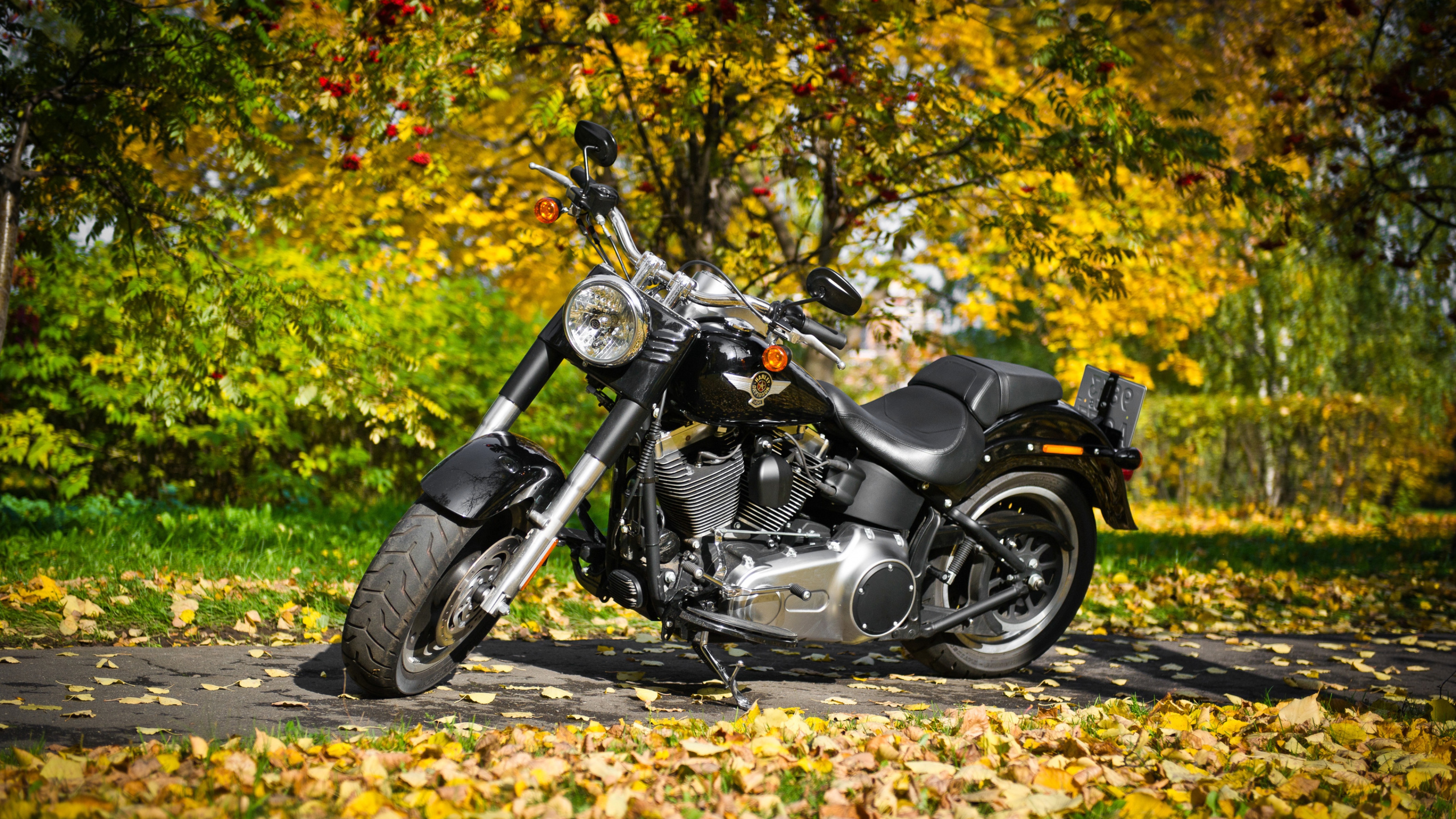
Dreaming of exploring hidden coastlines or zipping through charming villages on two wheels? Riding a motorcycle or scooter in a foreign country can be an incredible adventure, but it’s also essential to be prepared. Navigating unfamiliar roads, understanding local traffic laws, and ensuring you have the proper documentation are crucial for a safe and enjoyable experience.
Ignoring the rules of the road in a foreign country can lead to more than just a headache. Fines, legal complications, and even accidents can quickly derail your travel plans. Understanding the specific laws and customs related to motorcycles and scooters in your destination is paramount. Being informed not only protects you and your fellow travelers but also ensures you’re a respectful guest in your host country.
Before you even book your flight, research the specific motorcycle and scooter laws of the country you plan to visit. Look for official government websites or tourism resources that outline the regulations. Understanding these rules ahead of time will give you a solid foundation for a smoother, safer riding experience.
Motorcycle and Scooter Laws: A Global Guide
Embarking on a two-wheeled adventure abroad requires more than just a sense of wanderlust. It demands a thorough understanding of local laws, customs, and safety regulations. This guide is designed to equip you with the knowledge you need to confidently navigate foreign roads on a motorcycle or scooter.
Do I need an International Driving Permit?
One of the most frequently asked questions for travelers planning to drive overseas is whether an International Driving Permit (IDP) is required. The answer depends on the country you’re visiting. An IDP is essentially a multi-language translation of your driver's license, making it easier for local authorities to understand your driving credentials. Many countries, particularly those that are not signatories to international driving treaties, require an IDP in addition to your valid driver's license.
Even if a country doesn't explicitly require an IDP, it's often a good idea to obtain one. It can be helpful in situations where language barriers exist, such as when dealing with law enforcement or renting a vehicle. You can usually obtain an IDP from your local automobile association. Be sure to apply well in advance of your trip, as processing times can vary. Remember, an IDP is only valid if presented alongside your original driver's license. It doesnotreplace your license. Always carry both!
Helmet Laws and Safety Gear Requirements
Wearing a helmet is arguably the most critical safety measure you can take when riding a motorcycle or scooter. However, helmet laws vary significantly from country to country. While some nations have strict mandatory helmet laws for all riders and passengers, others may have more relaxed regulations, or even none at all. Research the specific helmet laws of your destination before you go.
Beyond helmets, consider other essential safety gear. A durable jacket, gloves, sturdy footwear, and eye protection are highly recommended, regardless of local laws. Think about the potential risks of riding – road rash, impacts, and exposure to the elements. Investing in quality safety gear can significantly reduce your risk of injury in the event of an accident. Even if not mandated, prioritizing your safety is always a smart choice when participating in cross-border travel.
Understanding Local Traffic Rules and Customs
Foreign traffic rules can be drastically different from what you're used to at home. From right-hand vs. left-hand driving to complex roundabout navigation, there are numerous nuances to be aware of. Before you hop on a scooter, familiarize yourself with the local traffic laws, road signs, and customary driving practices.
Some examples of differences to be mindful of include: Lane splitting: In some countries, lane splitting (riding between lanes of stopped or slow-moving traffic) is legal, while in others, it's strictly prohibited. Right-of-way rules: Understand the rules for yielding at intersections and roundabouts, as these can vary. Speed limits: Pay close attention to speed limits, which are often posted in kilometers per hour (km/h) rather than miles per hour (mph). Parking regulations: Be aware of parking restrictions, as illegal parking can result in fines or vehicle impoundment.
Beyond the formal rules, observe local driving customs. Pay attention to how other drivers behave, and adapt your riding style accordingly. Observing the local norms and respecting fellow road users will contribute to a safer and more enjoyable experience.
Motorcycle and Scooter Rental Tips Abroad
Renting a motorcycle or scooter is a popular way to explore a new country, but it's essential to approach the process with caution. Not all rental agencies are created equal, and it's crucial to choose a reputable company that provides well-maintained vehicles and transparent rental agreements.
Choosing a Reputable Rental Agency
Read online reviews: Before booking, research the rental agency's reputation by reading online reviews from other travelers. Look for feedback on vehicle quality, customer service, and transparency of pricing. Inspect the vehicle: Thoroughly inspect the motorcycle or scooter before accepting it. Check for any existing damage, such as scratches, dents, or broken lights. Document any issues with photos or videos and inform the rental agency. Understand the insurance coverage: Carefully review the insurance coverage offered by the rental agency. Ensure you understand what is covered in case of an accident or damage to the vehicle. Consider purchasing additional insurance if necessary to provide adequate protection. Clarify the terms and conditions: Read the rental agreement carefully and ask questions about any unclear terms or conditions. Pay close attention to the policies regarding mileage limits, fuel requirements, and late return fees.
Essential Car Rental Tips Abroad
Beyond the specific considerations for motorcycle and scooter rentals, remember some general car rental tips that apply universally: Book in advance: Booking your rental vehicle in advance, especially during peak travel season, can often secure better rates and ensure availability. Compare prices: Compare prices from multiple rental agencies to find the best deal. Be sure to factor in all costs, including taxes, fees, and insurance. Take photos of the vehicle upon return: Document the vehicle's condition with photos or videos when returning it to avoid any disputes over damage. Keep copies of all documents: Retain copies of the rental agreement, insurance policy, and any other relevant documents for your records.
What documents should I carry when driving abroad?
Having the right documents is crucial for avoiding legal issues and ensuring a smooth riding experience. At a minimum, always carry the following documents with you: Valid driver's license: Your original driver's license from your home country. International Driving Permit (IDP): If required by the country you're visiting. Vehicle registration documents: Proof of ownership or rental agreement for the motorcycle or scooter. Insurance policy: Documentation of your insurance coverage. Passport:Your passport for identification purposes.
It's also a good idea to carry a copy of your driver's license and passport separately from the originals, in case of loss or theft.
Navigating Legal and Emergency Situations
Despite your best efforts to be prepared, unexpected situations can still arise. Knowing how to handle legal and emergency situations is crucial for a safe and stress-free trip.
How do police handle tourists on the road?
Interactions with law enforcement can be intimidating, especially in a foreign country. However, most police officers are generally professional and helpful. If you are stopped by the police, remain calm and respectful. Present your documents when requested, and answer any questions truthfully and politely.
It's important to understand that police procedures and attitudes towards tourists can vary from country to country. In some regions, traffic violations may be dealt with more leniently for tourists, while in others, the rules may be strictly enforced. Familiarize yourself with the local customs and practices regarding traffic stops to avoid any misunderstandings.
What to do in case of an accident
In the unfortunate event of an accident, your priority should be ensuring the safety of yourself and others involved. Follow these steps:
1.Ensure safety: Move the vehicles to a safe location, if possible, and turn on hazard lights.
2.Call for help: Contact the local emergency services (police, ambulance) and report the accident.
3.Exchange information: Exchange contact information, insurance details, and vehicle registration information with the other parties involved.
4.Document the scene: Take photos of the accident scene, including vehicle damage and any relevant surroundings.
5.Report the accident to your insurance company: Contact your insurance company as soon as possible to report the accident and begin the claims process.
Understanding local laws and customs
When traveling internationally, being aware of local laws and cultural customs can prevent many problems. If you're unsure about specific laws or customs, don't hesitate to ask locals for clarification. Most people are happy to help tourists and provide guidance.
Taking the time to learn about the local culture and etiquette will not only enhance your travel experience but also help you avoid misunderstandings and potentially offensive behavior. Respecting local traditions and customs is a sign of respect for your host country and its people.
Riding a motorcycle or scooter abroad can be an incredibly rewarding experience. By carefully researching local laws, preparing your documents, and prioritizing safety, you can confidently embark on your two-wheeled adventure, creating memories that will last a lifetime. Travel smart, ride safe, and embrace the freedom of the open road.
Posting Komentar untuk "Motorcycle and Scooter Laws Abroad"