Countries with the Most Unique Traffic Laws
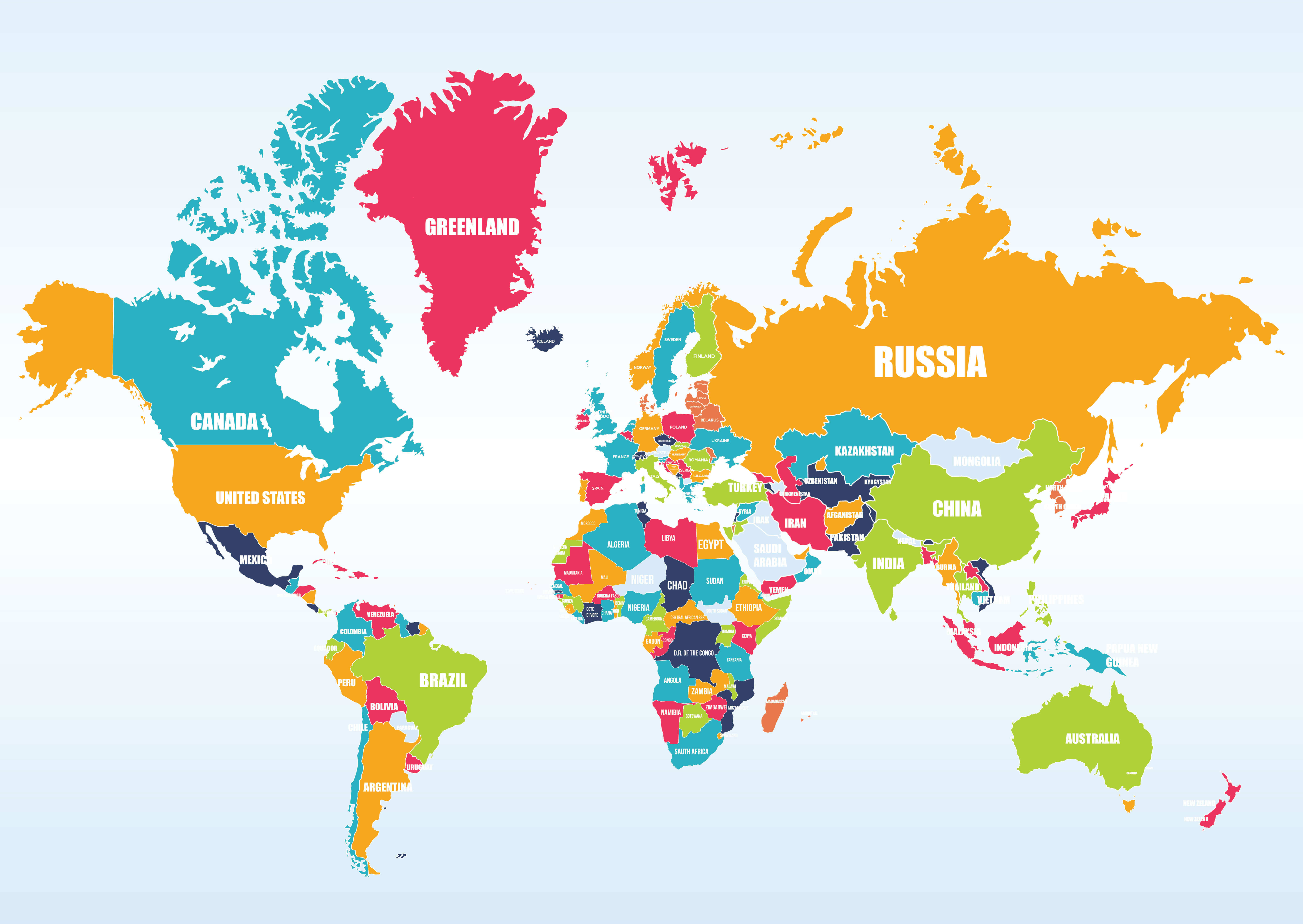
Driving in a new country can feel like navigating a maze blindfolded. The thrill of the open road quickly fades when you're faced with unfamiliar traffic signals, bizarre road markings, and unspoken rules of the road. Trust us, you don't want your vacation memories to include a hefty fine or, worse, an accident due to simple misunderstanding.
Understanding the nuances of foreign traffic rules is more than just avoiding a ticket; it's about ensuring your safety, the safety of your passengers, and the well-being of others on the road. Every country has its own approach to road safety, and these differences can be significant. From the expected (driving on the left) to the unexpected (rules about washing your car), being prepared with knowledge is your best defense.
Before you even book that international flight, take a moment to research the specific driving laws of your destination. Reputable travel sites and even some car rental companies often provide concise guides. Being proactive can save you from unexpected surprises and help you drive with confidence.
Countries With Unexpected Traffic Laws
Traveling the world offers incredible adventures, but navigating different traffic laws can be a real challenge. Some countries have rules so unique, they’re almost unbelievable. Let’s explore some destinations with the most unexpected, and sometimes downright strange, traffic regulations.
Germany: The Autobahn’s Unspoken Rules
Germany's Autobahn, famous for its unrestricted speed limits on certain stretches, seems like a driver's paradise. However, this freedom comes with responsibility and several unique regulations. While there's no mandated speed limit on many sections, there's an advisory limit of 130 km/h (about 81 mph). More importantly, running out of fuel on the Autobahn is strictly prohibited and can result in a hefty fine. It's considered negligence because careful planning should prevent such a situation. Additionally, stopping on the Autobahn for any reason other than an emergency is against the law. Even walking on the Autobahn is illegal. These rules stem from the emphasis on maintaining a smooth, high-speed flow of traffic. The assumption is that drivers should be fully prepared and maintain their vehicles in good working order.
Also, keep in mind that the left lane is strictly for overtaking. Lingering in the left lane when not actively passing another vehicle is frowned upon and can attract unwanted attention from other drivers (and potentially the police).
Russia: Dirty Car Fines
While many countries have laws regarding vehicle maintenance, Russia takes cleanliness to a new level. Driving a car that is deemed too dirty can result in a fine. The definition of "too dirty" is subjective and can vary depending on the region and the officer's interpretation, but generally, if your license plate is obscured by dirt, you're at risk. The rationale is that dirty vehicles can be difficult to identify, especially by traffic cameras, and can hinder law enforcement. This means that a quick wash might be more than just cosmetic; it could save you from a penalty.
Furthermore, in certain Russian cities, it’s illegal to pick up hitchhikers if you are driving a company vehicle. This peculiar law is rooted in attempts to regulate taxi services and prevent unauthorized transportation.
Spain: Extra Spectacles On Hand
Spain is known for its vibrant culture, delicious food, and… mandatory spare eyeglasses for drivers who require them. If you need glasses to drive, Spanish law requires you to carry a spare pair in your vehicle. The reasoning is simple: if your primary glasses break or are lost, you need to be able to see clearly to drive safely. Failure to have a backup pair can result in a fine.
Also, be mindful of honking your horn unnecessarily. In many Spanish cities, honking is prohibited except in cases of immediate danger. Excessive or frivolous honking can lead to a penalty.
Japan: Puddle Splash Penalties
Japan is renowned for its politeness and consideration, and this extends to its traffic laws. Splashing pedestrians with your car can result in a significant fine. This law emphasizes respect for pedestrians and the responsibility of drivers to be mindful of their surroundings, especially during wet weather. It is seen as a serious breach of etiquette, reflecting the cultural value placed on minimizing disruption and inconvenience to others.
Also, while not strictly a traffic law, it's worth noting that Japan has strict regulations regarding modifications to vehicles. Any significant alterations need to be officially approved and documented, which can be a hurdle for international drivers planning to bring their own vehicles.
Thailand: Shirtless Driving is Illegal
In Thailand, a country known for its tropical climate, it's illegal to drive a car shirtless. While the exact reasoning behind this law is debated, it's generally believed to be linked to maintaining public decency and respecting cultural norms. Regardless of the reason, driving without a shirt can result in a fine, so it's best to keep a shirt handy, even on the hottest days.
Furthermore, be aware of the complex traffic patterns in cities like Bangkok. Lane markings and signage can be confusing, and traffic congestion is often severe. Patience and a willingness to adapt to the local driving style are essential.
Philippines: Odd-Even Number Coding Scheme
To combat traffic congestion in Metro Manila, the Philippines implements an "odd-even" number coding scheme. This means that vehicles with license plates ending in certain numbers are prohibited from driving on specific days. For example, vehicles with license plates ending in 1 or 2 might be banned on Mondays. This scheme aims to reduce the number of cars on the road during peak hours. It's crucial to understand the current coding schedule before driving in Manila to avoid fines and delays.
Also, be prepared for a more assertive driving style than you might be accustomed to. Traffic can be chaotic, and drivers often navigate aggressively. Maintaining awareness and anticipating the actions of other drivers is vital.
Singapore: Proximity Rule for Pedestrians
Singapore is known for its strict laws and high standards of order, and this extends to pedestrian safety. A unique law requires drivers to maintain a safe distance from pedestrians crossing the road, even if there is no designated crosswalk. Drivers must slow down and be prepared to stop if pedestrians are nearby. This rule reflects Singapore's commitment to prioritizing pedestrian safety.
Also, be aware of the Electronic Road Pricing (ERP) system, which charges drivers fees for using certain roads during peak hours. These fees are automatically deducted from a prepaid card installed in the vehicle.
South Africa: Giving Way to Animals
In rural areas of South Africa, particularly near wildlife reserves, drivers are legally obligated to give way to animals crossing the road. This isn't just a suggestion; it's the law. Failure to yield to animals can result in a fine, and more importantly, could endanger both the animals and yourself. This law highlights the importance of respecting wildlife and the environment.
Also, be aware of the potential for carjackings, particularly in certain areas. It's advisable to keep your doors locked and windows up, and to avoid driving in high-risk areas at night.
Switzerland: Car Washing Restrictions
Switzerland is known for its pristine environment, and the government takes measures to protect it. Car washing is restricted to designated areas, such as car washes, to prevent pollutants from entering the water system. Washing your car on the street or in your driveway can result in a fine. This law reflects Switzerland's commitment to environmental protection and responsible water usage.
Also, be aware that winter tires are mandatory during certain months of the year. Driving without winter tires in snowy or icy conditions can result in a fine and liability in the event of an accident.
Practical Advice for International Drivers
Navigating these unique traffic laws can be daunting, but with the right preparation, you can drive confidently and safely abroad. Here are some actionable tips to help you: Obtain an International Driving Permit (IDP): An IDP is a translation of your driver's license and is required in many countries. Check the specific requirements of your destination. Research Local Traffic Laws: Before you go, thoroughly research the traffic laws of the countries you'll be driving in. Websites, travel guides, and even car rental companies often provide useful information. Carry Necessary Documents: Always carry your driver's license, passport, vehicle registration, insurance documents, and IDP with you. Understand Local Customs: Be aware of local driving customs and etiquette. This can include yielding practices, honking etiquette, and general driving behavior. Rent from Reputable Companies: Choose a reputable car rental company that provides reliable vehicles and clear information about local driving regulations. Inspect Your Vehicle: Before driving, inspect your rental car for any damage and ensure that all lights, brakes, and other systems are in good working order. Use GPS Navigation: A reliable GPS navigation system can help you navigate unfamiliar roads and avoid getting lost. Be Aware of Local Road Conditions: Be prepared for varying road conditions, including potholes, unpaved roads, and steep inclines. Drive Defensively: Always drive defensively and be prepared for unexpected situations. Stay Calm and Patient: Driving in a new country can be stressful, so stay calm, patient, and avoid aggressive driving.
Do I need an international driving permit?
Whether you need an international driving permit depends on the country you plan to visit. Many countries require or strongly recommend an IDP, as it serves as a multilingual translation of your driver's license. It's always best to check the specific requirements of your destination well in advance of your trip. You can typically obtain an IDP from your local automobile association. Having one can prevent issues with local authorities and car rental agencies. Note that an IDP isnota replacement for your valid driver’s license — it’s meant to accompany it.
What documents should I carry when driving abroad?
When driving abroad, it’s crucial to have all the necessary documents with you. This typically includes your valid driver's license, your international driving permit (if required), your passport, the vehicle registration documents (if you're driving your own car), and proof of insurance. It’s also a good idea to carry a copy of your car rental agreement (if applicable) and any emergency contact information. Keep these documents organized and easily accessible in case you need to present them to law enforcement or other authorities.
How do police handle tourists on the road?
The way police handle tourists on the road can vary significantly from country to country. In some countries, police may be more lenient with tourists who make minor traffic violations, especially if it's clear that they are unfamiliar with local laws. However, this is not always the case, and it's never wise to assume that you'll be given special treatment. It's essential to be respectful, polite, and cooperative if you're stopped by the police. Avoid arguing or becoming defensive, and be prepared to provide all the necessary documents. Understanding a few basic phrases in the local language can also be helpful in communicating with law enforcement. Remember, ignorance of the law is not an excuse, so it's always best to familiarize yourself with local traffic regulations before you start driving.
Driving in a foreign land presents a unique blend of excitement and responsibility. By acknowledging the potential challenges, arming yourself with knowledge, and embracing a respectful attitude, you can transform what might seem daunting into an enriching and memorable experience. Don't let the fear of the unknown keep you from exploring the world's roads; instead, let informed caution be your guide.
Posting Komentar untuk "Countries with the Most Unique Traffic Laws"