Driver Behavior and Law Enforcement Abroad
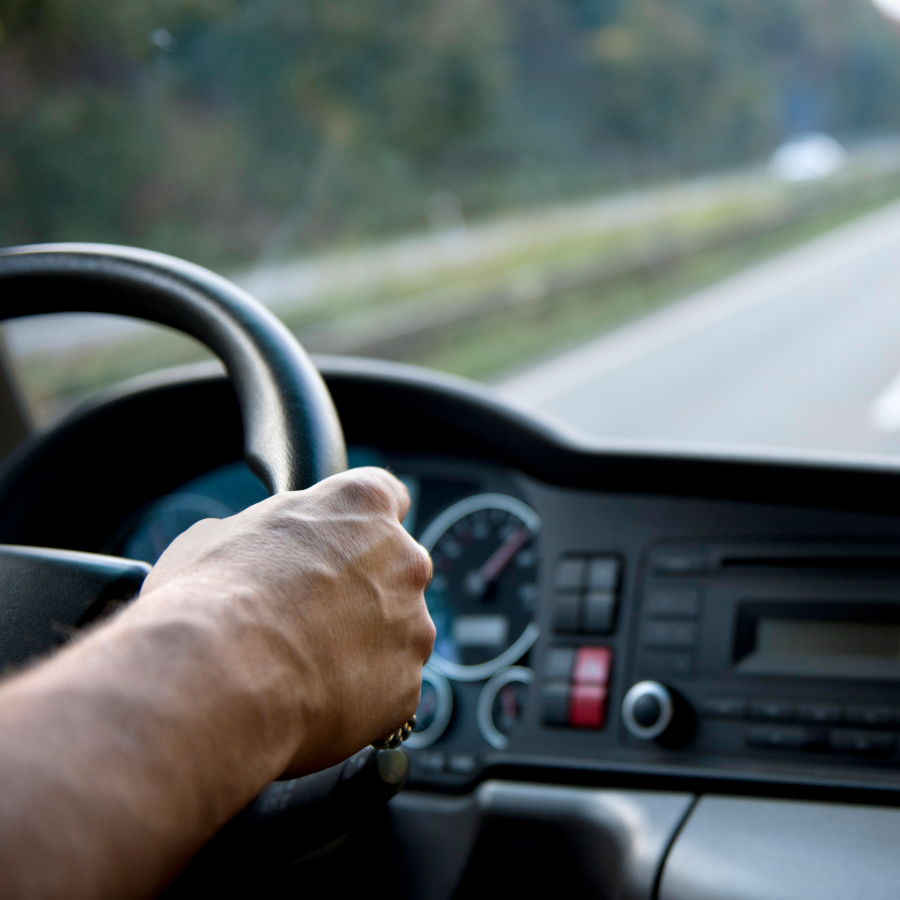
The open road is calling, but is your understanding of traffic laws keeping pace with your travel plans? Navigating unfamiliar road systems can be daunting, but with the right preparation, you can transform potential stress into smooth sailing.
Understanding driver behavior and law enforcement approaches in different countries is vital for ensuring a safe and enjoyable trip. It's more than just avoiding fines; it’s about respecting local customs, preventing accidents, and protecting yourself and others on the road. When you understand the rules, you drive with confidence.
Before you even turn the ignition, take a moment to research the specific traffic regulations of your destination. A quick online search for "[Country Name] driving laws" can uncover crucial information about speed limits, right-of-way rules, and other local nuances.
Know Before You Go: Key Considerations for International Drivers
Embarking on a driving adventure in a foreign land opens up a world of possibilities, but it also necessitates a proactive approach to understanding and respecting local driving customs. From navigating unique road signs to understanding local law enforcement procedures, being prepared can make all the difference.
Do I need an international driving permit (IDP)?
Often, an international driving permit (IDP) serves as a crucial document when driving abroad. Think of it as a translation of your existing driver's license into multiple languages, making it easier for foreign authorities to understand your driving credentials. Whether you need one depends on the specific country you're visiting. Many countries require an IDP in addition to your valid domestic driver's license, while others may accept your license alone, particularly if it's printed in English. Always check the specific requirements of your destination well in advance. You can typically obtain an IDP from your local automobile association or a designated government agency. Don't wait until the last minute – processing times can vary. Having an IDP can also simplify car rental procedures abroad.
What documents should I carry when driving abroad?
Beyond your driver's license and, if required, your international driving permit, several other documents are essential for cross-border travel. Always carry the original documents if possible.
Passport: Your passport is your primary identification document and proof of citizenship. Ensure it's valid for at least six months beyond your intended stay. Vehicle Registration: If you're driving your own vehicle, you'll need the original vehicle registration document. For car rentals, this is usually provided by the rental company. Car Rental Agreement (if applicable): Keep a copy of your car rental agreement handy. This document outlines the terms and conditions of your rental, including insurance coverage. Insurance Documents: Make sure you have proof of valid car insurance. Check if your existing policy extends to international travel or if you need to purchase temporary coverage in the destination country. Often, car rental companies offer insurance options, but it’s crucial to understand the level of coverage provided. Visa (if required): Check visa requirements well in advance of your trip, as some countries require visas for entry. Emergency Contact Information: Keep a list of emergency contact numbers, including your embassy or consulate, local emergency services, and your insurance provider. Copies of Important Documents:It's wise to make digital and physical copies of all essential documents. Store them separately from the originals in case of loss or theft.
Understanding Foreign Traffic Rules
Global road safety varies considerably, and understanding foreign traffic rules is essential for avoiding accidents and legal troubles. Here are some common differences to watch out for: Right-of-Way: Rules regarding right-of-way can vary significantly. In some countries, yielding to the right is standard, while in others, major roads have priority. Be particularly cautious at roundabouts, as entry and exit procedures may differ from what you're used to. Speed Limits: Posted speed limits are usually in kilometers per hour (km/h) instead of miles per hour (mph). Pay close attention to signage, as speed limits can change frequently, especially in urban areas. Remember that speed limits may be lower in residential zones and near schools. Traffic Signs: While many traffic signs are standardized internationally, some countries use unique signage. Familiarize yourself with common traffic signs in your destination country before you travel. Online resources and driving guides can be helpful. Lane Discipline: Lane discipline refers to how drivers position themselves within lanes and when changing lanes. Some countries are stricter about lane discipline than others. Avoid unnecessary lane changes and always use your turn signals. Use of Horn: The use of the car horn is often restricted to emergency situations in many European countries, whereas in other regions it is used more liberally to indicate presence or intentions. Parking Regulations: Parking regulations can vary widely. Pay close attention to parking signs and meters to avoid fines or having your vehicle towed. Some cities have strict rules about parking on sidewalks or in residential areas. Driving Under the Influence (DUI) Laws: DUI laws are generally stricter abroad than in some regions. Even a small amount of alcohol in your system can result in severe penalties. Be aware of the legal blood alcohol content (BAC) limit in your destination country and err on the side of caution. Rules for Cyclists and Pedestrians: Be mindful of cyclists and pedestrians, particularly in urban areas. Some countries have specific rules to protect vulnerable road users. Always yield to pedestrians in crosswalks.
Car Rental Tips Abroad: Navigating the Rental Process
Securing a car rental abroad can be a straightforward process if you're prepared. These tips can ensure a smooth experience: Book in Advance: Booking your rental car well in advance, especially during peak travel seasons, can often secure better rates and ensure availability. Compare Prices: Use online comparison tools to compare prices from different rental companies. Pay attention to included insurance coverage and any additional fees. Read the Fine Print: Carefully review the terms and conditions of the rental agreement before signing. Pay attention to mileage restrictions, fuel policies, and any penalties for damage. Inspect the Vehicle: Before leaving the rental lot, thoroughly inspect the vehicle for any existing damage. Document any scratches, dents, or other issues with photos or videos. Understand Insurance Coverage: Make sure you understand the insurance coverage provided by the rental company. Consider purchasing additional coverage if necessary to protect yourself against potential liability. Return the Car on Time: Returning the car late can result in additional charges. Be sure to allow enough time for drop-off, especially at busy airports. Keep Records:Keep copies of all rental documents, including the rental agreement, inspection report, and any receipts.
How do police handle tourists on the road?
Interactions with law enforcement can be stressful, especially in a foreign country. Knowing how police typically handle tourists on the road can help you navigate these situations with confidence.
Be Respectful: Always be respectful and polite when interacting with police officers. Avoid making sudden movements or arguing with them. Provide Documentation: Be prepared to present your driver's license, passport, vehicle registration, and any other required documents. Understand the Language: If you don't speak the local language, try to communicate using basic phrases or gestures. If possible, ask if there is someone who speaks your language. Ask for Clarification: If you don't understand the reason for the stop or the officer's instructions, politely ask for clarification. Don't Offer Bribes: Offering a bribe is illegal and can result in serious consequences. Request a Translator: If you're being charged with a traffic violation, you have the right to request a translator. Know Your Rights:Familiarize yourself with your rights as a driver in the country you're visiting. Contact your embassy or consulate for assistance if needed.
Staying Safe and Aware on the Road
Beyond legal compliance, prioritizing your safety and the safety of others is paramount. Here’s how: Defensive Driving: Practice defensive driving techniques, anticipating potential hazards and maintaining a safe following distance. Rest and Avoid Fatigue: Avoid driving when you're tired. Take frequent breaks to rest and stretch. Use GPS Navigation: Utilize GPS navigation to avoid getting lost and to stay informed about upcoming turns and road conditions. Be aware that GPS may not always be accurate in remote areas. Be Aware of Local Driving Habits: Observe and adapt to local driving habits. Some countries have more aggressive drivers than others. Avoid Distractions: Avoid distractions such as using your phone while driving. If you need to make a call, pull over to a safe location. Check Weather Conditions: Be aware of weather conditions and adjust your driving accordingly. Rain, snow, or fog can significantly reduce visibility and increase the risk of accidents. Secure Your Belongings: Keep your belongings secure in the vehicle to prevent theft. Avoid leaving valuables in plain sight. Plan Your Route: Plan your route in advance, taking into account traffic conditions, road closures, and potential delays.
Embracing the Journey with Confidence
As you prepare to explore new horizons by car, remember that a little preparation goes a long way. By familiarizing yourself with local driving laws, customs, and safety precautions, you can embark on your adventure with confidence, ensuring a memorable and safe journey. Approach unfamiliar situations with a blend of curiosity and caution, respecting the local rules of the road, and you’ll unlock unforgettable travel experiences.
Posting Komentar untuk "Driver Behavior and Law Enforcement Abroad"