Countries with Unique Roadside Safety Requirements
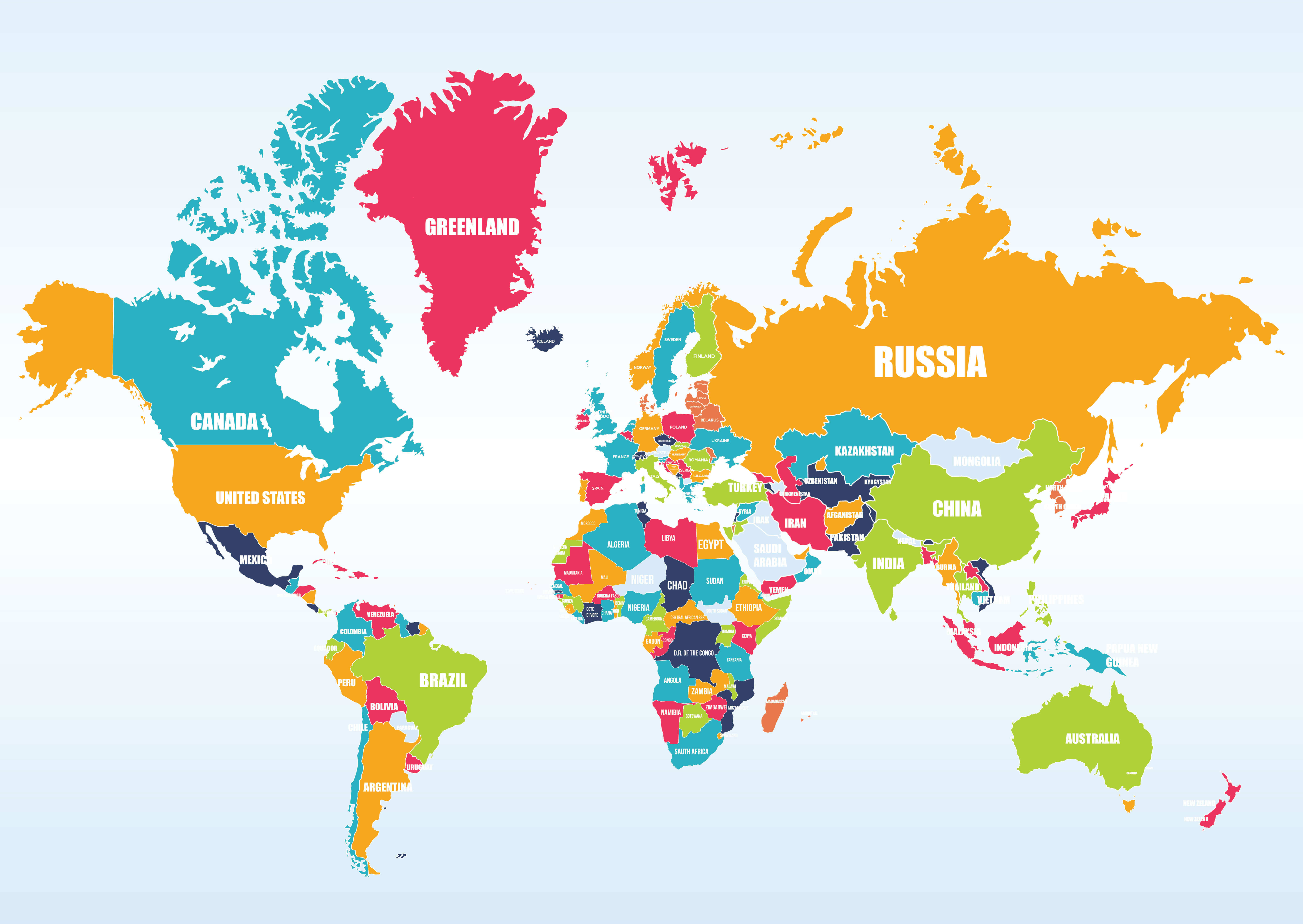
Driving in a foreign country can be an incredible adventure – the open road, stunning landscapes, and the freedom to explore at your own pace. But before you buckle up and hit the gas, remember that what's considered standard driving practice in your home country might be completely different (or even illegal!) somewhere else.
Understanding global driving laws is paramount, not just for avoiding fines or unpleasant encounters with local authorities, but more importantly, for ensuring your safety and the safety of others on the road. Navigating unfamiliar road signs, understanding local traffic patterns, and being aware of unique roadside requirements can significantly reduce stress and make your cross-border travel experience much more enjoyable.
Before you even pack your bags, take a few minutes to research the specific traffic laws of the countries you plan to visit. Knowing the basics, like which side of the road to drive on, speed limits, and right-of-way rules, can save you a lot of headaches later.
Countries with Unexpected Roadside Rules
From mandatory breathalyzer tests to unique "priority to the right" rules, many countries have specific roadside requirements that might surprise even seasoned international drivers. Ignoring these nuances can lead to hefty fines, legal trouble, or, worse, accidents. Let's explore some examples of countries with unusual roadside safety regulations.
France: Mandatory Breathalyzer Kits
In France, for many years, it was mandatory to carry a breathalyzer kit in your car. While the penalty for not having one was suspended a few years ago, it’s still strongly encouraged. The idea behind this regulation was to encourage drivers to self-test their blood alcohol level before getting behind the wheel, promoting responsible driving. This is especially important to remember if you're planning on enjoying some of the region's famous wines!
Germany: The Autobahn and Winter Tires
Germany's Autobahn, renowned for its sections with no speed limits, comes with its own set of rules. While you can legally put the pedal to the metal in certain areas, it's crucial to understand that advisory speed limits (usually around 130 km/h) are in place, and you'll be held liable for accidents if you're driving at a speed deemed unsafe for the conditions. Furthermore, Germany has strict winter tire regulations. If you're driving during winter months (typically November to April, but dependent on weather conditions), your vehicle must be equipped with winter tires displaying the Alpine symbol (a snowflake inside a mountain). Failing to comply can result in fines and invalidate your insurance coverage. This underscores the importance of checking seasonal requirements and car rental tips abroad before you arrive.
Russia: Clean Car Policy
In Russia, police officers can issue fines for driving a visibly dirty car. While the exact interpretation of "dirty" is subjective, the regulation is intended to ensure that license plates and lights are clearly visible, contributing to overall road safety. It’s a good idea to keep your windshield clean and ensure your license plate is easily readable. Consider this when planning long drives, especially during the rainy or snowy seasons.
South Africa: "Jumping" Red Lights and Defensive Driving
South Africa presents unique challenges for drivers, including high rates of carjackings. While not officially endorsed, some drivers practice a technique of "jumping" red lights at night in high-crime areas to minimize their risk. While understandably borne out of safety concerns, this practice is still illegal. The best advice is to drive defensively, be aware of your surroundings, avoid driving alone at night in unfamiliar areas, and to plan your routes carefully. Familiarize yourself with local advice on safe driving practices before your trip.
Thailand: Respect the Monks
While not a formal traffic law, showing respect to monks is deeply ingrained in Thai culture and extends to the roads. It’s customary to give way to monks crossing the street and to avoid honking at them. This respect extends to other cultural norms as well, and understanding these nuances will contribute to a smoother and more respectful driving experience.
Bhutan: No Horns Allowed
Bhutan, known for its stunning Himalayan landscapes and commitment to Gross National Happiness, has a unique approach to road noise. The use of car horns is actively discouraged, and in some areas, even prohibited. This creates a more peaceful and serene driving environment, but it requires drivers to be extra vigilant and rely more on visual cues and defensive driving techniques.
Iceland: Headlights On, Always
In Iceland, it's mandatory to drive with your headlights on at all times, regardless of the time of day or weather conditions. This is due to the country's often challenging weather and visibility conditions. Even during the bright summer months, headlights are essential for ensuring your vehicle is visible to other drivers.
Australia: Watch Out for Wildlife
Driving in Australia, particularly in rural areas, requires vigilance for wildlife. Kangaroos, wombats, and other animals frequently cross roads, especially at dawn and dusk. Collisions with wildlife can be dangerous and cause significant damage to your vehicle. Pay attention to road signs warning of animal crossings, reduce your speed, and be prepared to brake suddenly.
Japan: Complex Highway Toll System
Japan's expressway system is efficient, but its toll system can be complex for foreign drivers. Tolls are calculated based on distance traveled, and payment methods vary. While some toll booths accept credit cards, others require cash or an Electronic Toll Collection (ETC) card. If you plan on using expressways frequently, consider renting a car with an ETC card pre-installed or research payment options thoroughly.
People Also Ask: Navigating Foreign Roads
Do I need an international driving permit?
An international driving permit (IDP) is essentially a translation of your driver's license, allowing you to drive legally in many countries. While not always mandatory, it’s often highly recommended, especially if your driver's license is not in the language of the country you're visiting. Some car rental companies may require an IDP, and it can be helpful when dealing with local authorities. Check the specific requirements of the countries you plan to visit well in advance of your trip. It’s worth noting that an IDP is only valid when accompanied by your original driver's license. Don’t leave home without both!
What documents should I carry when driving abroad?
When driving overseas, it’s essential to carry all the necessary documents to avoid any legal issues. At a minimum, you should have:
Your original driver's license
International Driving Permit (if required or recommended)
Vehicle registration documents (if you're driving your own car)
Car rental agreement (if you're renting a car)
Proof of insurance
Passport
Visa (if required for entry into the country)
It’s also a good idea to carry a copy of your documents in a separate location in case the originals are lost or stolen.
How do police handle tourists on the road?
The way police officers handle tourists varies from country to country. In some countries, police may be more lenient with tourists who make minor traffic violations, understanding that they may be unfamiliar with local laws. However, this is not always the case, and it’s never a good idea to rely on leniency. Always be respectful and cooperative when interacting with law enforcement officers. If you receive a ticket, ask for clarification on how to pay it. In some countries, you may be able to pay the fine on the spot, while in others, you'll need to go to a specific office or pay online. If you don't understand the charges or the process, don't hesitate to ask for assistance. Knowledge of some basic phrases in the local language can also be incredibly helpful.
What are some essential car rental tips abroad?
Renting a car abroad can be a convenient way to explore a new country, but it's important to do your research and be aware of potential pitfalls. Here are a few essential car rental tips abroad: Book in advance: Booking your rental car in advance, especially during peak season, can often save you money and ensure availability. Read the fine print: Carefully review the rental agreement before signing it, paying attention to insurance coverage, mileage restrictions, and any additional fees. Inspect the car: Before driving off the lot, thoroughly inspect the car for any existing damage and document it with photos or videos. Understand the insurance: Make sure you have adequate insurance coverage. Check if your existing auto insurance or credit card provides coverage for rental cars abroad. If not, consider purchasing additional coverage from the rental company. Know the local traffic laws: Familiarize yourself with the local traffic laws and regulations, including speed limits, parking rules, and right-of-way rules. Ask about tolls: Inquire about toll roads and payment methods. Some rental companies offer transponders that automatically pay tolls, which can save you time and hassle. Return the car on time:Returning the car late can result in additional fees. Be sure to factor in potential traffic delays when planning your return.
How can I prepare for driving on the "other side" of the road?
Driving on the opposite side of the road can be disorienting at first, but with a bit of preparation, you can adapt quickly. Here are a few tips: Practice in a safe area: If possible, practice driving in a safe, low-traffic area before venturing onto busy roads. Focus on your positioning: Consciously focus on your positioning in the lane. Remember to stay closer to the center line than you would at home. Pay attention to roundabouts: Roundabouts can be particularly challenging when driving on the opposite side of the road. Remember to yield to traffic approaching from your right (or left, depending on the country). Use visual cues: Pay attention to road signs, lane markings, and other visual cues to help you stay oriented. Take it slow: Don't feel pressured to drive fast. Take your time and focus on staying safe. Consider an automatic transmission: If you're not comfortable shifting gears with your non-dominant hand, consider renting a car with an automatic transmission.
Driving in foreign lands can be an immensely rewarding experience, and while it's easy to feel overwhelmed by the details, remember that a little preparation goes a long way. By being informed, respectful, and adaptable, you can confidently navigate global roads and create lasting memories. So, embrace the adventure, stay alert, and enjoy the ride!
Posting Komentar untuk "Countries with Unique Roadside Safety Requirements"