Tips for Driving on Rural Roads in Foreign Countries
The open road calls, and your heart’s set on exploring hidden gems in a faraway land. But before you buckle up for that unforgettable road trip, are you truly prepared for the unique challenges of driving on rural roads in foreign countries? Navigating unfamiliar landscapes requires more than just a sense of adventure; it demands awareness, respect, and a solid understanding of local driving customs.
Understanding global driving laws and cultural norms behind the wheel is paramount for a safe and enjoyable journey. It ensures you avoid costly fines, potential accidents, and unnecessary stress. When you familiarize yourself with country-specific regulations, you're not just following the rules; you're demonstrating respect for the local community and contributing to a safer environment for everyone. Plus, knowing what to expect on the road allows you to relax and fully immerse yourself in the beauty of your surroundings.
Before you even step foot on foreign soil, take a moment to research the specific road signs and traffic laws of the country you'll be visiting. Many countries have signage that differs significantly from what you're used to at home. A little preparation can save you from a lot of confusion and potential hazards later on.
Know Before You Go: Essential Preparations for International Driving
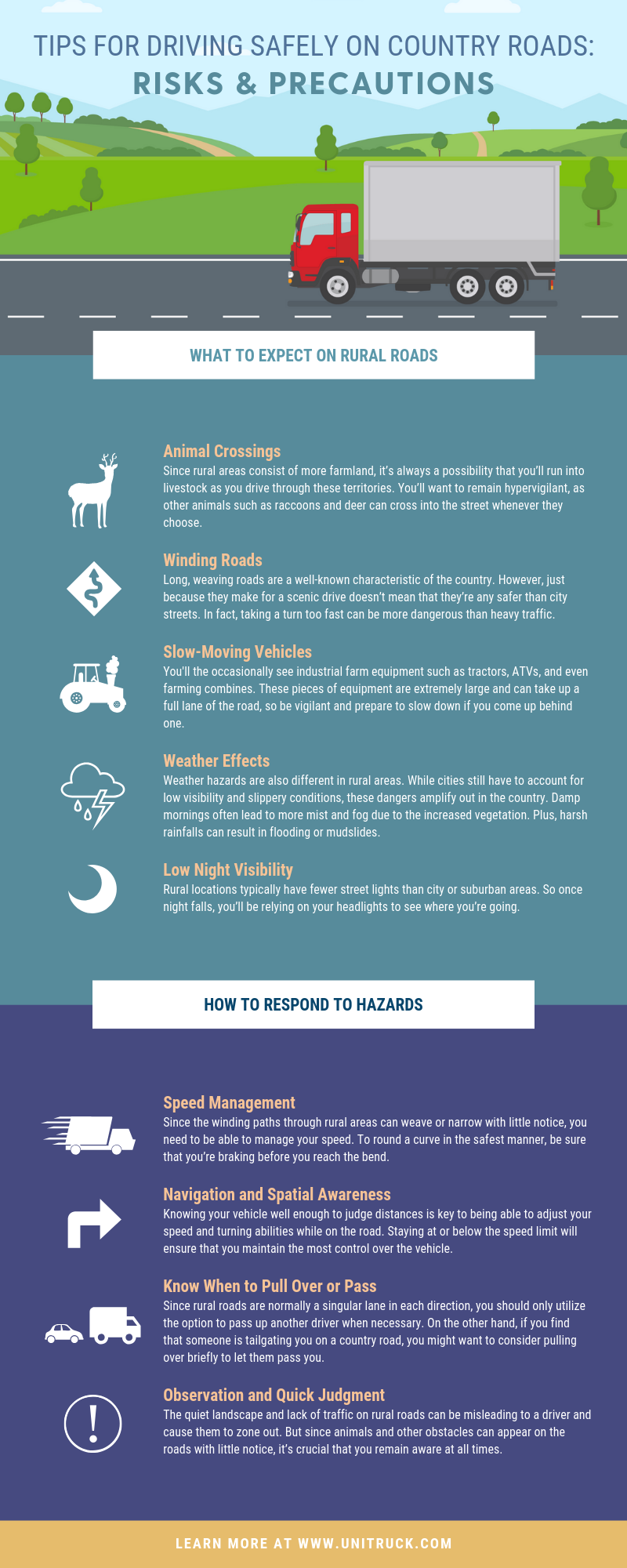
Driving in rural areas often means encountering conditions vastly different from those in urban centers. Paved roads can turn to gravel, signage may be sparse, and the presence of animals or agricultural vehicles on the road is common. Adequate preparation is therefore key to navigating these challenges confidently.
Do I need an international driving permit (IDP)?
An international driving permit (IDP) is often a crucial document for cross-border travel. Think of it as a translation of your driver's license into multiple languages, making it easier for local authorities to understand your driving credentials. While not universally required, it's always a good idea to obtain one, especially if you plan on driving in non-English speaking countries. Check the specific requirements of the countries you intend to visit, as some may require an IDP even if your home country license is valid. You can typically obtain an IDP from your local automobile association. It is important to remember that an IDP isnota substitute for your original driver's license; you must carry both documents with you at all times.
Checking Your Vehicle (or Rental):
If you're using your own vehicle for cross-border travel, ensure it's in top condition before you leave. A thorough inspection is essential, covering everything from tire pressure and tread depth to fluid levels and brake functionality. If you're renting a car abroad, take the time to inspect the vehicle carefully before accepting it. Document any existing damage with photos or video to avoid being held liable later. Familiarize yourself with the car's features, especially if it's a different make or model than what you're used to. Understand how to operate the lights, windshield wipers, and other essential controls. Also, ensure the car rental company provides you with emergency contact information and roadside assistance details.
Navigation Tools for Remote Roads:
While the allure of rural roads lies in their unspoiled beauty, they can also present navigational challenges. Relying solely on your phone's GPS might not be the best strategy, especially in areas with unreliable cell service. Consider downloading offline maps onto your phone or investing in a dedicated GPS device. These tools allow you to navigate even without an internet connection. Familiarize yourself with the route beforehand and note down key landmarks or road numbers. Pack a physical map as a backup, especially for areas known to have poor GPS coverage. And don’t be afraid to ask locals for directions – they often have invaluable knowledge of the area.
Navigating Foreign Traffic Rules & Cultural Nuances
Foreign traffic rules can differ significantly from what you're accustomed to, impacting everything from right-of-way to speed limits. Understanding these nuances is vital for ensuring both your safety and compliance with local laws. Equally important is understanding the cultural context of driving in your destination country. What might be considered polite behavior in one country could be seen as rude or even dangerous in another.
What documents should I carry when driving abroad?
Always carry the following documents with you when driving abroad:
Your valid driver's license from your home country.
An International Driving Permit (IDP) if required or recommended.
Your passport or other form of government-issued identification.
The vehicle's registration documents (if driving your own car) or rental agreement (if driving a rental car).
Proof of insurance. Make sure your insurance coverage is valid in the countries you'll be visiting.
Any other documents required by local law, such as a vehicle inspection certificate.
Keep these documents organized and easily accessible in case you are asked to present them to authorities. It's also a good idea to make digital copies of these documents and store them securely online.
Understanding Local Driving Customs:
Beyond the formal rules of the road, understanding local driving customs is crucial for navigating safely and respectfully. Observe how local drivers behave and adapt your driving style accordingly. Pay attention to things like: Right-of-way: Who yields to whom at intersections or roundabouts? Use of signals: How and when do drivers use their turn signals? Honking: What does honking typically signify? Is it a friendly greeting, a warning, or a sign of impatience? Speed limits: Are speed limits strictly enforced? Are there unwritten rules about acceptable speeds? Lane discipline:How do drivers typically use lanes on highways or multi-lane roads?
By observing and understanding these nuances, you can avoid misunderstandings and potentially dangerous situations.
How do police handle tourists on the road?
Interactions with law enforcement can be stressful, especially in a foreign country. However, being polite, respectful, and prepared can go a long way in ensuring a smooth encounter. If you are pulled over by the police, remain calm and cooperative. Present your documents promptly and answer their questions truthfully. Avoid arguing or becoming defensive, even if you believe you are in the right. If you don't understand what the officer is saying, ask for clarification or request an interpreter. Be aware that some countries may have different procedures for traffic stops or issuing tickets. If you are issued a ticket, make sure you understand the violation and the process for paying the fine. In some cases, you may be able to pay the fine on the spot, while in others you may need to visit a police station or court. Remember, courtesy and respect are key to a positive interaction.
Staying Safe on Remote Roads: Practical Tips
Rural roads often present unique safety challenges, such as limited visibility, unpredictable wildlife, and varying road conditions. Being prepared and practicing safe driving habits is essential for mitigating these risks.
Adjusting to Different Road Conditions:
Gravel roads, unpaved surfaces, and potholes are common hazards on rural roads. Adjust your driving speed accordingly and maintain a safe following distance. Be extra cautious when driving in wet or icy conditions, as these surfaces can be particularly slippery. If you encounter a pothole or other road hazard, slow down and steer around it carefully. Avoid sudden braking or swerving, as this could cause you to lose control of the vehicle. If you are driving on a gravel road, be aware of the potential for loose stones to kick up and damage your vehicle or other vehicles.
Dealing with Wildlife and Livestock:
Animals on the road are a common sight in rural areas. Be especially vigilant at dawn and dusk, when animals are most active. Slow down when approaching areas known to have high wildlife populations, such as forests or fields. If you see an animal on the road, slow down and give it plenty of space. Avoid honking your horn, as this could startle the animal and cause it to run into your path. If you encounter livestock, such as cows or sheep, proceed with caution and follow the instructions of any herders present.
Emergency Preparedness:
In the event of a breakdown or other emergency, it's crucial to be prepared. Carry a well-stocked emergency kit in your vehicle, including a first-aid kit, jumper cables, a flashlight, a warning triangle, and a spare tire. Familiarize yourself with basic car maintenance procedures, such as changing a tire or jump-starting the battery. If you experience a breakdown, pull over to a safe location away from traffic. Turn on your hazard lights and place a warning triangle behind your vehicle to alert other drivers. If you have cell service, call for roadside assistance. If you don't have cell service, try to flag down a passing vehicle or walk to the nearest town or village.
Embrace the Adventure Responsibly
Driving on rural roads in foreign countries can be an incredibly rewarding experience, offering a chance to discover hidden gems and connect with local cultures. By preparing adequately, understanding local rules and customs, and prioritizing safety, you can embark on your journey with confidence. Embrace the adventure, but always remember to drive responsibly and respectfully, ensuring a memorable and safe trip for yourself and others. Remember, the journey is just as important as the destination – savor every moment and create memories that will last a lifetime.
Posting Komentar untuk "Tips for Driving on Rural Roads in Foreign Countries"