How Roadside Assistance Works Abroad
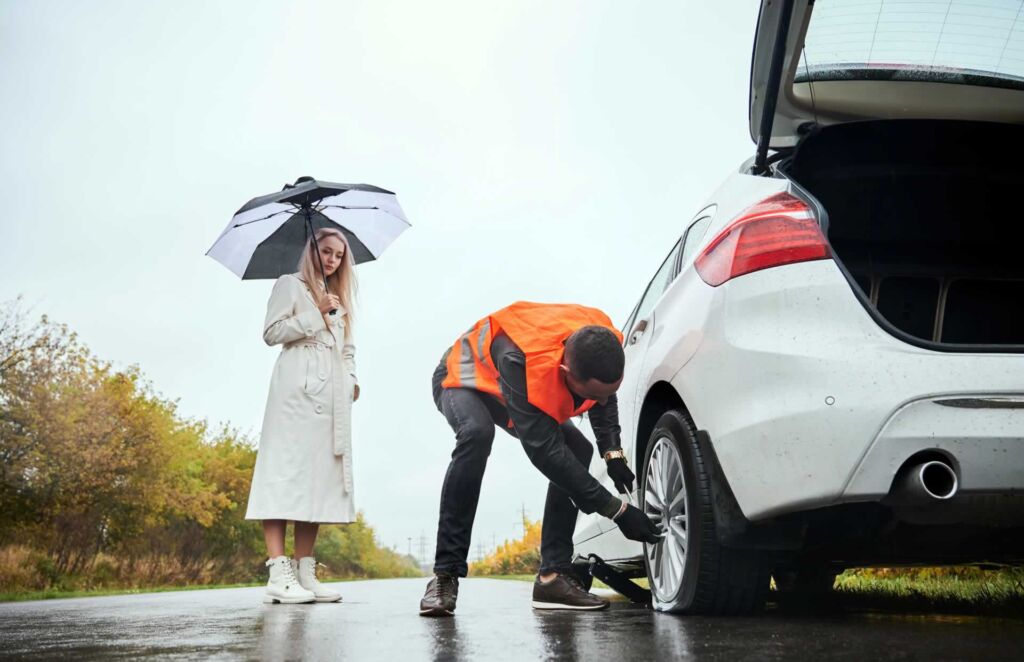
The open road calls, promising adventure in a new country. But what happens when your car decides to take a detour of its own, leaving you stranded in unfamiliar territory? Driving in a foreign land is thrilling, but being prepared for the unexpected is crucial.
Understanding how roadside assistance works abroad isn’t just about convenience; it’s about peace of mind. Navigating foreign traffic rules, dealing with language barriers, and handling unexpected breakdowns can quickly turn a dream trip into a stressful ordeal. Knowing your options and having a plan in place will ensure your focus remains on the joy of discovery, not the headache of a roadside emergency.
Before you even pack your bags, take a moment to jot down the emergency contact numbers for your car rental company, your insurance provider, and the local emergency services in the countries you plan to visit. Store them both in your phone and in a physical notebook – you never know when technology might fail you.
Understanding Roadside Assistance Options
When you're planning cross-border travel, roadside assistance becomes significantly more complex than a simple call to your local service provider. Options range from services offered by car rental companies to comprehensive international coverage plans. The key is to understand the nuances of each.
Car Rental Company Assistance: Most major car rental companies provide some form of roadside assistance as part of their rental agreement. This usually covers mechanical breakdowns, flat tires, dead batteries, and sometimes even lost keys. However, the scope of coverage can vary dramatically. Read the fine print carefully to understand what's included and what isn't. Ask about geographical limitations – some rental agreements restrict travel to specific regions or countries. Also, be aware of any excess charges or deductibles that might apply.
Credit Card Benefits: Many travel credit cards offer roadside assistance as a perk. This can be a convenient option, especially if you're already using the card to pay for your car rental. However, the coverage may be limited, and you might have to pay upfront and seek reimbursement later. Check the terms and conditions of your credit card agreement to understand the specific benefits and limitations. Look for details like the maximum reimbursement amount per incident and any geographical restrictions.
Personal Auto Insurance: Your existing auto insurance policy might offer some level of coverage for driving in other countries. However, this is often limited to North America (Canada and Mexico). Call your insurance provider well in advance of your trip to inquire about international coverage options. Be prepared to provide details about your destination, the duration of your trip, and the type of vehicle you'll be driving.
Travel Insurance Policies: Some travel insurance policies include roadside assistance as part of a broader package of benefits. These policies can be particularly useful for longer trips or when traveling to multiple countries. Carefully compare different travel insurance providers and look for policies that specifically mention roadside assistance coverage. Pay attention to the policy limits, exclusions, and any requirements for filing a claim.
Specialized International Roadside Assistance Programs: Several companies specialize in providing roadside assistance coverage for international travelers. These programs often offer the most comprehensive coverage, including services such as towing, fuel delivery, jump-starts, and even translation assistance. While these programs may be more expensive than other options, they can provide invaluable peace of mind, especially when driving in remote or unfamiliar areas. Research reputable providers and compare their coverage plans and pricing.
Do I need an international driving permit?
An international driving permit (IDP) is essentially a translation of your existing driver's license. While it's not a substitute for your actual license, it's often required or highly recommended in many countries. Check the specific requirements of the countries you plan to visit. You can usually obtain an IDP from your local automobile association. It's a relatively inexpensive and straightforward process that can save you a lot of trouble down the road, especially when dealing with local authorities or car rental agencies. It's also helpful to understand which countries specifically require it versus those where it's merely advisable. Keep in mind an IDP is usually valid for one year.
What documents should I carry when driving abroad?
Beyond your driver's license and international driving permit (if required), you'll want to keep a copy of your passport, car rental agreement, and proof of insurance readily accessible. It’s also wise to have a printed copy of your emergency contact information, including the local police, ambulance, and fire department numbers. In some countries, you may also need to carry the car's registration documents. Keep these documents in a secure, easily accessible location within the vehicle. Consider keeping digital copies stored securely online, too, but having physical copies is crucial if you encounter connectivity issues.
Navigating the Language Barrier During an Emergency
Communication is key in any emergency, and language barriers can significantly complicate matters. Even if you're fluent in the local language, the stress of a breakdown can make it difficult to express yourself clearly.
Translation Apps: Download a reliable translation app onto your smartphone before your trip. Many apps offer offline translation capabilities, which can be essential if you don't have access to internet connectivity. Practice using the app to translate common phrases related to car trouble, such as "my car has broken down," "I need a tow truck," or "where is the nearest mechanic?"
Pre-Written Phrases: Create a list of essential phrases in the local language and keep it with you. Include phrases for describing the type of problem you're experiencing, providing your location, and asking for help. Consider phrases like "flat tire," "engine trouble," "dead battery," and "I need assistance."
Visual Aids: Use visual aids, such as pictures or diagrams, to help explain the problem. A picture of a flat tire, for example, can be universally understood. You can also use maps to point out your location.
International Symbols: Familiarize yourself with international road signs and symbols. Many road signs use pictograms that are easily recognizable regardless of language.
Emergency Contact with Translation Services: Check if your roadside assistance provider offers translation services. Some companies have multilingual operators who can assist you in communicating with local service providers.
Learn Basic Phrases: Even a few basic phrases like "hello," "thank you," "please," and "help" can go a long way in building rapport and showing respect for the local culture.
How do police handle tourists on the road?
Police interactions can be daunting, especially in a foreign country. Generally, law enforcement officers are professional, but it's crucial to remain calm and respectful, even if you feel frustrated. Present your documents clearly and avoid arguing. If you don't understand something, politely ask for clarification. In many areas frequented by tourists, officers may speak some English, but don't assume this is the case. If you’ve violated foreign traffic rules, acknowledge the infraction, and ask about the process for resolving it, which may involve paying a fine. If you feel you've been treated unfairly, note the officer's badge number and the details of the incident; you can then seek guidance from your embassy or consulate. Never offer a bribe, as this is illegal and can lead to serious consequences.
Understanding Global Road Safety and Local Laws
Driving in a foreign country isn't just about navigating unfamiliar roads; it's also about understanding and respecting local laws and customs. Foreign traffic rules can vary significantly from what you're used to at home.
Traffic Laws: Before you start your trip, research the specific traffic laws of the countries you'll be visiting. Pay attention to speed limits, right-of-way rules, parking regulations, and seatbelt laws. Be aware of any unique laws or customs that may be specific to the region. For example, some countries have strict rules about using headlights during the day, while others have different rules about turning on red lights.
Road Signs: Familiarize yourself with the local road signs. While many international road signs are standardized, some countries use unique signs that can be confusing. Pay particular attention to signs related to speed limits, lane closures, and hazardous conditions.
Driving Culture: Observe the local driving culture and adapt your driving style accordingly. Some countries have more aggressive drivers than others, while others have more relaxed attitudes toward traffic laws. Be prepared to adjust your driving habits to fit in with the local flow of traffic.
Drink Driving Laws: Be extremely cautious about drink driving. Many countries have stricter drink driving laws than your home country. Even a small amount of alcohol can put you over the legal limit. It's always best to avoid drinking any alcohol before driving.
Emergency Procedures: Know the local emergency phone numbers and procedures. In most countries, the emergency number for police, fire, and ambulance is 112. However, some countries have different emergency numbers. Also, be aware of any specific procedures for reporting an accident or breakdown.
Parking Regulations: Research parking regulations, especially in urban areas. Parking can be scarce and expensive, and illegal parking can result in fines or towing.
Equipped with the right knowledge and preparations, driving abroad can be a truly unforgettable experience. By understanding your roadside assistance options, brushing up on local laws, and preparing for potential language barriers, you can confidently navigate foreign roads and create lasting memories. Just remember to stay aware, be respectful, and embrace the adventure that awaits!
Posting Komentar untuk "How Roadside Assistance Works Abroad"