Insurance Coverage Options for Driving Overseas
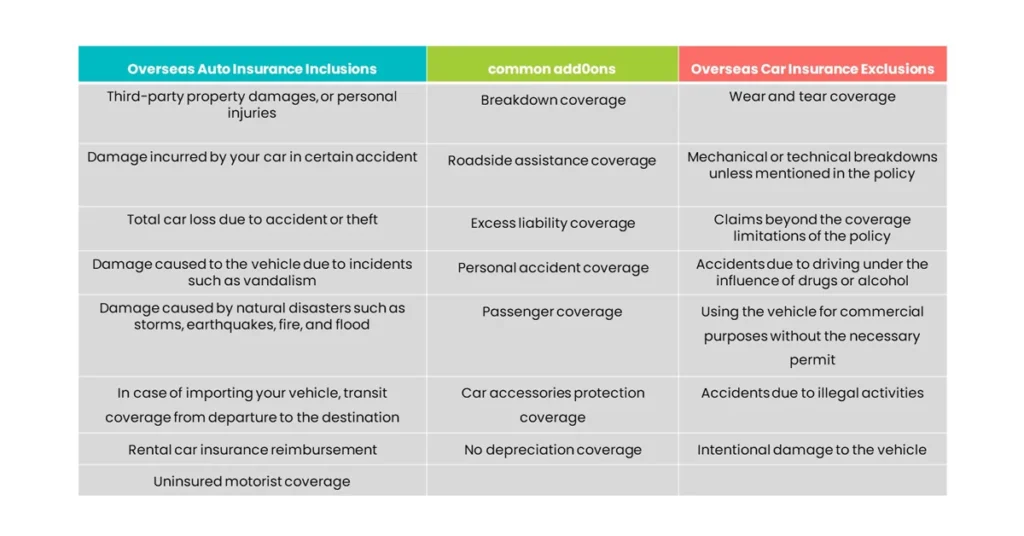
Picture this: you're cruising along a scenic coastal road, the sun is shining, and the only thing between you and total bliss is…understanding the local traffic laws. Driving in a foreign country can be an incredible adventure, but navigating insurance coverage can feel like deciphering a whole new language. Don't let uncertainty put a damper on your trip.
Understanding global driving laws and insurance policies is more than just ticking a box on your pre-trip checklist; it’s the key to a safe, stress-free journey. Knowing your coverage options ensures you're protected from unexpected expenses in case of an accident, theft, or damage. It also provides peace of mind, allowing you to fully enjoy the experience of exploring new roads and cultures. The importance of securing appropriate insurance should not be overlooked as it safeguards you, your passengers, and your vehicle, offering financial protection against potentially devastating losses.
Before you even start packing your bags, take a moment to check your current auto insurance policy. Call your provider and ask explicitly about international coverage. Many policies offer limited coverage in Canada and Mexico, but rarely extend further without additional riders or endorsements. Knowing the limitations of your existing coverage is the first step in securing adequate protection for your international driving adventure.
Understanding Your International Car Insurance Options
When planning to drive overseas, understanding your insurance options is critical. The landscape varies greatly from country to country, and what works at home might not be valid – or sufficient – abroad. Several avenues are available, each offering different levels of protection and suitability depending on your specific travel plans.
Relying on Existing Coverage: As mentioned before, explore whether your current auto insurance policy provides any coverage for international driving. This is often the simplest option if it’s available, but it's crucial to understand the extent of the coverage, the geographical limitations, and the claim process. Don't just assume – get confirmation in writing from your insurance company. Rental Car Insurance: If you're renting a car in your destination country, the rental company will typically offer insurance options. These can include: Collision Damage Waiver (CDW) / Loss Damage Waiver (LDW):Covers damage to the rental car itself. It's important to understand what'snotcovered, such as damage to tires or windshields, or damage caused by negligent driving.
Liability Insurance: Covers damages or injuries you cause to other people or property. The minimum coverage provided by the rental company may not be sufficient, especially in countries with high medical costs.
Personal Accident Insurance (PAI): Covers medical expenses for you and your passengers in case of an accident.
Supplemental Liability Insurance (SLI): Increases the amount of liability coverage you have.
Carefully evaluate the rental company's insurance options, compare them to your existing coverage (if any), and consider purchasing additional coverage if necessary. Third-party providers can sometimes offer better rates on supplemental insurance. Travel Insurance with Car Rental Coverage: Some travel insurance policies include coverage for car rentals, potentially supplementing or replacing the rental company's offerings. These policies often cover the deductible on your rental car insurance or provide additional liability coverage. Purchasing Local Insurance: In some countries, you may be required or have the option to purchase insurance directly from a local insurance provider. This might be the best or only option for longer stays or if you're importing a vehicle. Credit Card Benefits:Many credit cards offer rental car insurance as a perk. This coverage typically acts as secondary insurance, meaning it only kicks in after your primary insurance is exhausted. Understand the terms and conditions of your credit card's rental car insurance, including the types of vehicles covered, the length of the rental period allowed, and the claim process. You typically need to decline the rental company’s CDW/LDW for the credit card coverage to be in effect.
Careful planning and research are essential to determine the most suitable insurance option for your specific needs and destination. Factors to consider include the length of your trip, the type of vehicle you'll be driving, the local laws, and your personal risk tolerance. Remember to always carry proof of insurance with you while driving.
Essential Documents for Driving Overseas
Beyond insurance, ensuring you have all the necessary paperwork is critical for a smooth and legal driving experience abroad. These documents serve as proof of your identity, driving privileges, and vehicle ownership (if applicable). Missing or invalid documents can lead to fines, delays, or even the impoundment of your vehicle.
Valid Driver's License: Your driver's license from your home country is the foundation. However, many countries require or strongly recommend an international driving permit (IDP) in addition to your domestic license. International Driving Permit (IDP): An IDP is essentially a translation of your driver's license into multiple languages. It's recognized in many countries and simplifies interactions with law enforcement and rental car agencies. You must obtain the IDPbeforeyou leave your home country. It's usually valid for one year. Vehicle Registration: If you're driving your own vehicle across borders, carry the original vehicle registration document. This proves ownership and ensures you have the legal right to operate the vehicle. Passport: Essential for international travel, your passport serves as your primary form of identification. Visa (if required): Ensure you have the necessary visa to enter and drive in the countries you plan to visit. Visa requirements vary depending on your nationality and the length of your stay. Proof of Insurance: Carry a copy of your insurance policy or certificate, clearly indicating the coverage dates, policy number, and contact information for the insurance company. Car Rental Agreement (if applicable): If you're renting a car, keep a copy of the rental agreement with you at all times. Vehicle Inspection Report (if applicable): Some countries require a vehicle inspection report to ensure the vehicle meets safety and environmental standards. Translation of Documents (if necessary):If the official language of the country you're visiting is different from your native language, consider getting key documents translated.
Before embarking on your trip, double-check the specific document requirements for each country you plan to visit. Government websites and embassy resources are valuable sources of information. Make digital copies of all essential documents and store them securely in the cloud or on a USB drive. Keep physical copies separate from the originals to mitigate the risk of loss or theft.
Navigating Foreign Traffic Rules
Foreign traffic rules often vary significantly from what you’re accustomed to, requiring careful attention and adaptation. Familiarizing yourself with these rulesbeforeyou start driving is crucial for safety and compliance. Ignorance is not an excuse, and failing to follow local traffic laws can result in fines, penalties, or even legal consequences.
Right-hand vs. Left-hand Driving: This is one of the most fundamental differences. Remember that countries driving on the left (e.g., UK, Australia, Japan) also have different road layouts and signage. Take your time to adjust and be extra cautious at intersections. Speed Limits: Speed limits are often posted in kilometers per hour (km/h) rather than miles per hour (mph). Pay close attention to speed limit signs, as they can vary depending on the type of road (e.g., highway, rural road, urban area). Right-of-Way Rules: Understand the local rules for yielding and right-of-way at intersections and roundabouts. Roundabouts, in particular, can be confusing if you're not used to them. Traffic Signs and Signals: Familiarize yourself with the local traffic signs and signals. While many signs are standardized internationally, some may be unique to a particular country or region. Seat Belt Laws: Seat belt laws are strictly enforced in most countries. Ensure that all occupants of the vehicle are wearing seat belts at all times. Child Restraint Laws: Child restraint laws vary by country. Make sure you have the appropriate car seats or booster seats for children, and that they are properly installed. Drinking and Driving Laws: Drinking and driving laws are generally stricter in many countries than in the United States. Even a small amount of alcohol in your system can result in serious penalties. Cell Phone Use: Many countries prohibit the use of handheld cell phones while driving. Use a hands-free device or pull over to make or receive calls. Parking Regulations: Parking regulations can be complex and vary by city and neighborhood. Pay attention to parking signs and meters to avoid fines or towing. Toll Roads: Some countries have toll roads. Be prepared to pay tolls in cash or with a toll pass. Lane Discipline: Observe lane discipline and avoid weaving in and out of traffic. Headlight Use: Some countries require headlights to be on at all times, even during the day.
Before you start driving in a foreign country, take some time to research the local traffic laws and customs. Online resources, travel guides, and driving schools can provide valuable information. Consider watching videos or taking practice quizzes to test your knowledge. When in doubt, err on the side of caution and follow the lead of local drivers.
People Also Ask
Do I need an international driving permit?
While not always legally mandated, an international driving permit (IDP) is strongly recommended in many countries. It serves as a multilingual translation of your driver's license, making it easier for local authorities to understand your driving privileges. It simplifies interactions with law enforcement and rental car agencies. Check the specific requirements of the countries you plan to visit. The IDP is inexpensive and relatively easy to obtain from authorized organizations like AAA or the National Automobile Club in the United States.
What documents should I carry when driving abroad?
At a minimum, you should carry your valid driver's license, international driving permit (if required or recommended), passport, vehicle registration (if driving your own car), proof of insurance, and car rental agreement (if applicable). Make digital copies of all essential documents and store them separately from the originals.
How do police handle tourists on the road?
Law enforcement agencies generally treat tourists with respect but are also obligated to enforce local laws. If you're pulled over by the police, remain calm, be polite, and follow their instructions. Provide the requested documents and avoid arguing or making excuses. If you don't understand something, ask for clarification. In some cases, a minor traffic violation may result in a warning, but more serious offenses can lead to fines or legal consequences.
What are some car rental tips abroad?
Book in advance: Especially during peak season, booking your rental car in advance ensures availability and often secures better rates. Compare prices: Shop around and compare prices from different rental car companies. Read the fine print: Carefully review the rental agreement before signing, paying attention to the terms and conditions, insurance coverage, and any additional fees. Inspect the vehicle: Thoroughly inspect the vehicle for any existing damage before driving off the lot. Document any scratches, dents, or other issues with photos or videos and report them to the rental company. Understand the fuel policy: Clarify the fuel policy (e.g., full-to-full, pre-paid) and ensure you understand your responsibilities. Ask about local driving conditions: Inquire about any specific driving conditions or regulations in the area you'll be driving, such as toll roads, restricted areas, or parking regulations. Return the car on time:Returning the car late can result in additional charges.
Driving overseas presents exciting opportunities to explore new destinations at your own pace. By understanding your insurance coverage options, gathering the necessary documents, and familiarizing yourself with foreign traffic rules, you can embark on your international driving adventure with confidence and peace of mind. Embrace the journey, respect local customs, and enjoy the open road!
Posting Komentar untuk "Insurance Coverage Options for Driving Overseas"